

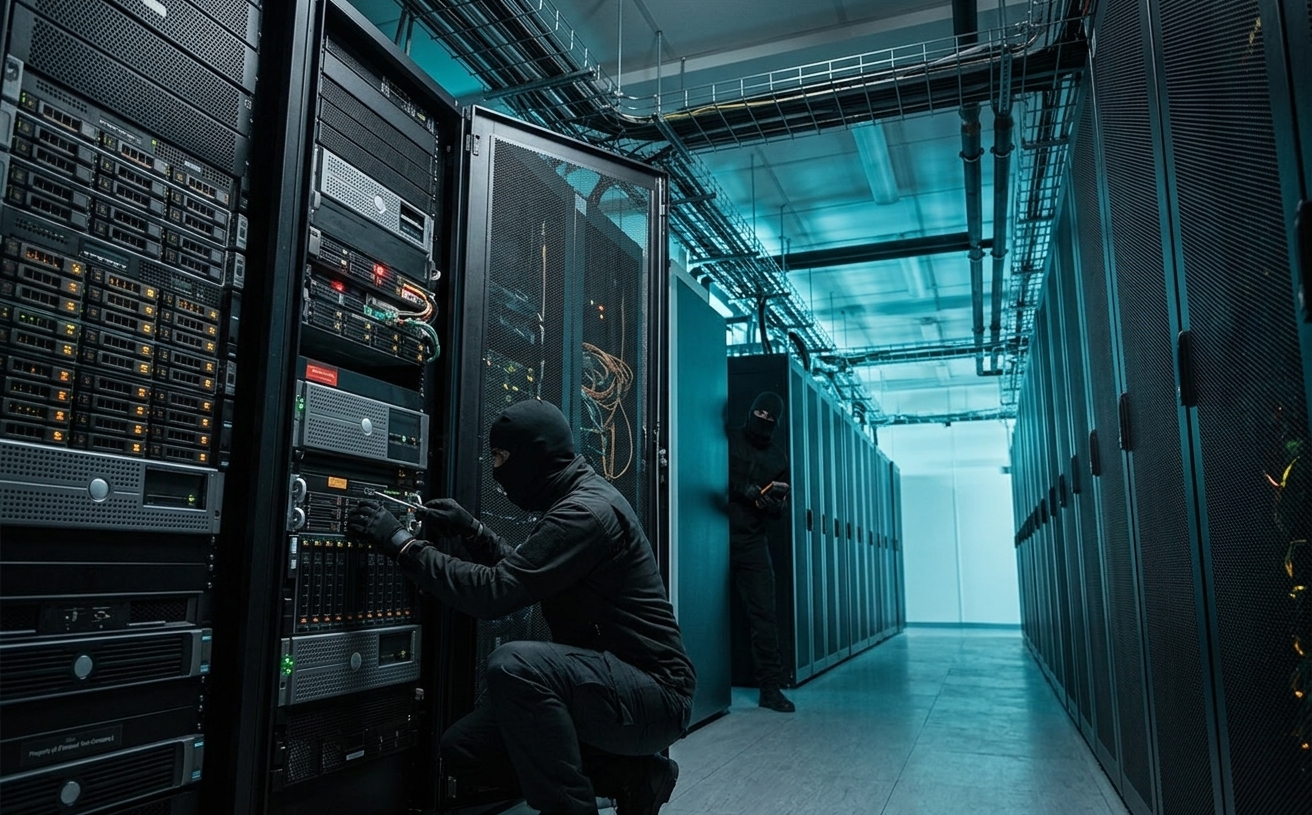
In the heart of the digital revolution, where Artificial Intelligence (AI) algorithms are being "trained" to reshape the world, a far more primitive threat is emerging. Data centers, the cathedrals of modern computing power, are no longer just targets for cyberattacks; they have become the focus of organized crime syndicates seeking physical loot. From the deserts of Arizona to the industrial parks of Ontario, the theft of high-tech equipment and raw materials has evolved into a multi-million dollar enterprise, threatening the backbone of global technological infrastructure.
The Digital Siege: Why Data Centers are the New Frontier
The rise of Generative AI has led to an unprecedented demand for specialized hardware. Graphics Processing Units (GPUs), such as Nvidia’s H100 and B200, have become the most valuable commodity in the tech world. With prices often exceeding $40,000 per unit, these chips are lightweight, easily transportable, and in high demand on the black market. For organized crime, a truck filled with GPU cards is far more profitable and less risky than transporting narcotics or precious stones.
However, it’s not just the chips that are being targeted. The infrastructure supporting these data centers is equally attractive. Copper, the "red metal" essential for powering and cooling massive server clusters, has seen its price skyrocket. Thieves are now targeting transformers, wiring, and generators, causing not only financial damage but also extensive operational downtime that costs millions in lost uptime and productivity.
GPUs and Copper: The Anatomy of a Multi-Million Dollar Loot
The modus operandi of these gangs has evolved. We are no longer dealing with petty, opportunistic thefts. Authorities in the US and Canada report the activity of "operational cells" that possess insider information regarding supply routes and facility security measures. In a recent case, a group managed to siphon off $2 million worth of equipment from a data center under construction by using forged shipping documents and sophisticated social engineering.
- Hardware Value: A server rack fully equipped for AI training can cost upwards of $1 million.
- The Copper Crisis: Copper cable theft from data center construction sites has increased by 40% in the last year as metal prices remain at historic highs.
- The Black Market: Stolen chips often end up in sanctioned countries where access to advanced AI technology is restricted.
Organized Crime and the Shadow Market of AI
The problem extends beyond simple property loss. The theft of AI hardware fuels a shadow economy. As the US imposes export restrictions on high-end chips to certain jurisdictions, the demand for stolen hardware surges. Criminal organizations are now operating as "alternative suppliers," bypassing international controls and reaping enormous profits. This creates a paradoxical situation where AI progress indirectly finances international crime syndicates.
Furthermore, the complexity of these heists suggests a deep understanding of the global supply chain. Thieves are not only targeting the data centers themselves but also distribution hubs and transit trucks. The use of GPS jammers and advanced tracking methods indicates that criminals are themselves investing in technology to defeat security systems. This is a high-stakes game of cat and mouse where the prize is the literal engine of the future economy.
The Economic Fallout and the Industry’s Counter-Response
The response from tech giants and the real estate firms managing data centers is a drastic reinforcement of physical security. Today, data centers increasingly resemble military installations, featuring multiple layers of access control, biometric identification, and constant surveillance by drones. However, these security costs are ultimately passed down to the consumer, driving up the cost of cloud and AI services.
Insurance companies have also begun to revise their contracts. Premiums for facilities housing AI hardware have increased significantly, with some firms now requiring armed guards during the transit of expensive equipment. The "golden age" of AI is accompanied by a new reality of risk, where physical protection of hardware is just as critical as the cybersecurity of the code itself. The industry must now balance the need for rapid expansion with the necessity of building fortresses that can withstand the greed of the physical world.
"They aren't just stealing metal and plastic. They are stealing the time and innovation required for the next big breakthrough," says a security executive from a major technology firm.
In conclusion, the battle for AI supremacy is not only fought in laboratories and through code but also at the perimeter fences of data centers. The industry's ability to protect its physical infrastructure will largely determine the speed and stability of technological evolution in the coming years. As we move deeper into the AI era, the physical security of our silicon foundations will be the ultimate test of resilience.





