

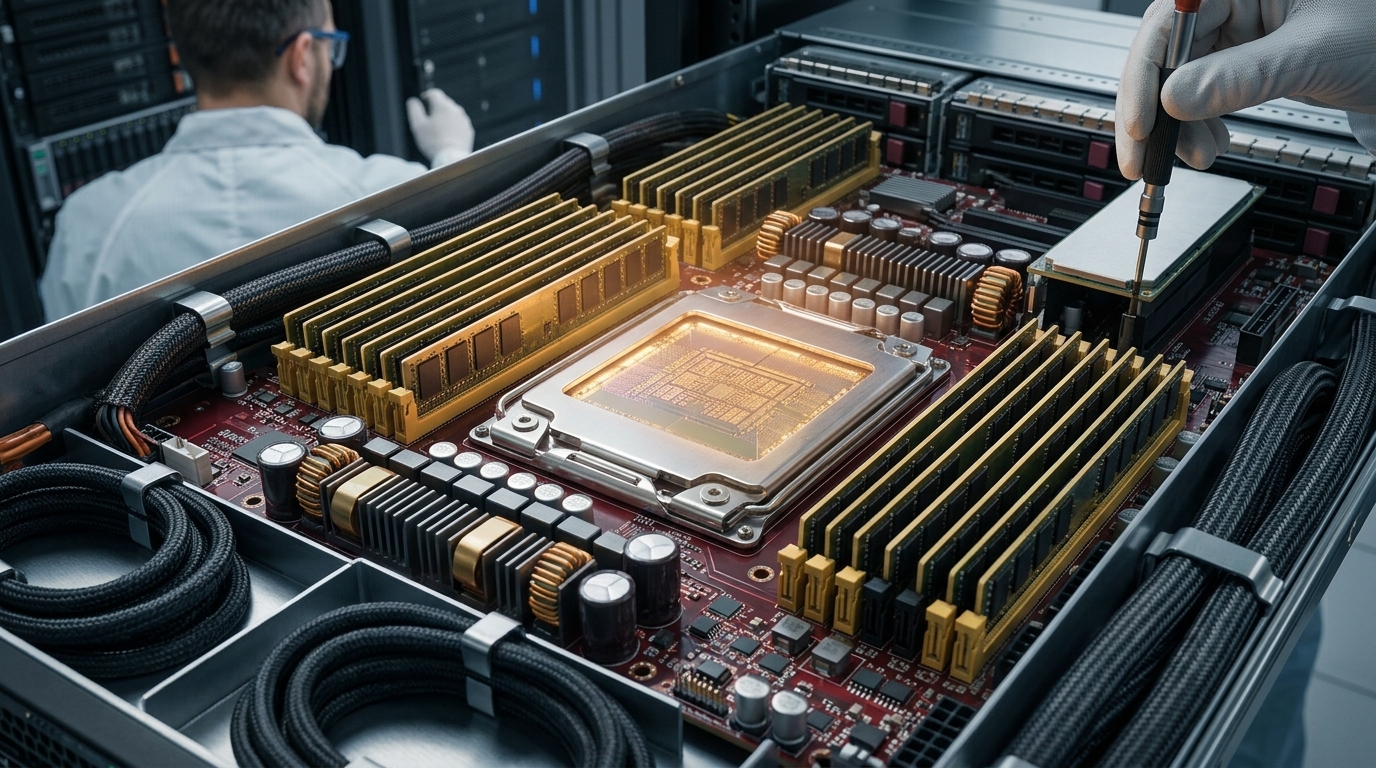
The history of technology is marked by cycles of hype and correction, but what we are witnessing today with Artificial Intelligence (AI) is unprecedented in scale. As we approach the second half of 2026, the dominant question in Wall Street boardrooms and European policy centers is not whether AI is useful, but whether it is economically sustainable. Infrastructure investments—primarily in Nvidia chips, data centers, and energy grids—are estimated to reach $700 billion annually. However, revenues directly derived from AI remain a fraction of that amount.
The $600 Billion Revenue Gap
Analysis by Sequoia Capital and recent reports from Goldman Sachs have highlighted a harsh reality: the gap between capital expenditures (CAPEX) and actual revenue is widening. To justify a $700 billion investment, the AI software and services market would need to generate multiples in profits to cover hardware costs, energy, and corporate margins. This "revenue gap" raises concerns about a bubble similar to the dot-com crash of 2000.
Big Tech firms (Microsoft, Alphabet, Meta, Amazon) continue to reassure investors that the risk of under-investing is greater than the risk of over-investing. If a company falls behind in the AI arms race, it faces potential obsolescence. This "game theory" dynamic drives stock prices, but the real economy demands results. Productivity, which was supposed to skyrocket, is showing signs of improvement only in specific sectors, such as software coding and customer service.
The Energy Challenge and Infrastructure Costs
A factor often overlooked in financial analysis is the physical limit to growth. Large Language Models (LLMs) require massive amounts of electricity. Building new data centers is no longer just a matter of money, but also of grid access. In Europe, the energy crisis and strict environmental regulations make this expansion even more costly. The price of GPUs (Graphics Processing Units) remains sky-high, with Nvidia maintaining profit margins more reminiscent of luxury goods than industrial equipment.
- The cost per query remains high compared to traditional search methods.
- A shortage of specialized talent increases corporate operating expenses.
- Regulatory frameworks (like the EU AI Act) add a layer of compliance costs that didn't exist before.
From Hype to Substance: The Pricing Power Test
The next phase of the market will be determined by "pricing power." Can software companies convince their customers to pay premium subscriptions for AI tools? So far, adoption is broad, but the willingness to pay high prices is being tested. Many enterprises are experimenting with open-source models (such as Meta's Llama) to reduce dependence on the expensive closed ecosystems of OpenAI and Microsoft.
"We are not just in an investment phase; we are in a phase of restructuring the global economic foundation," says a leading market analyst.
In conclusion, while the technology is transformative, the market may need to face a period of "detox" from excessive expectations. The $700 billion investments will eventually bear fruit, but perhaps not on the timeline the stock market desires. Market resilience will depend on whether AI can transition from an impressive "toy" to an essential daily productivity tool that generates measurable value.





