

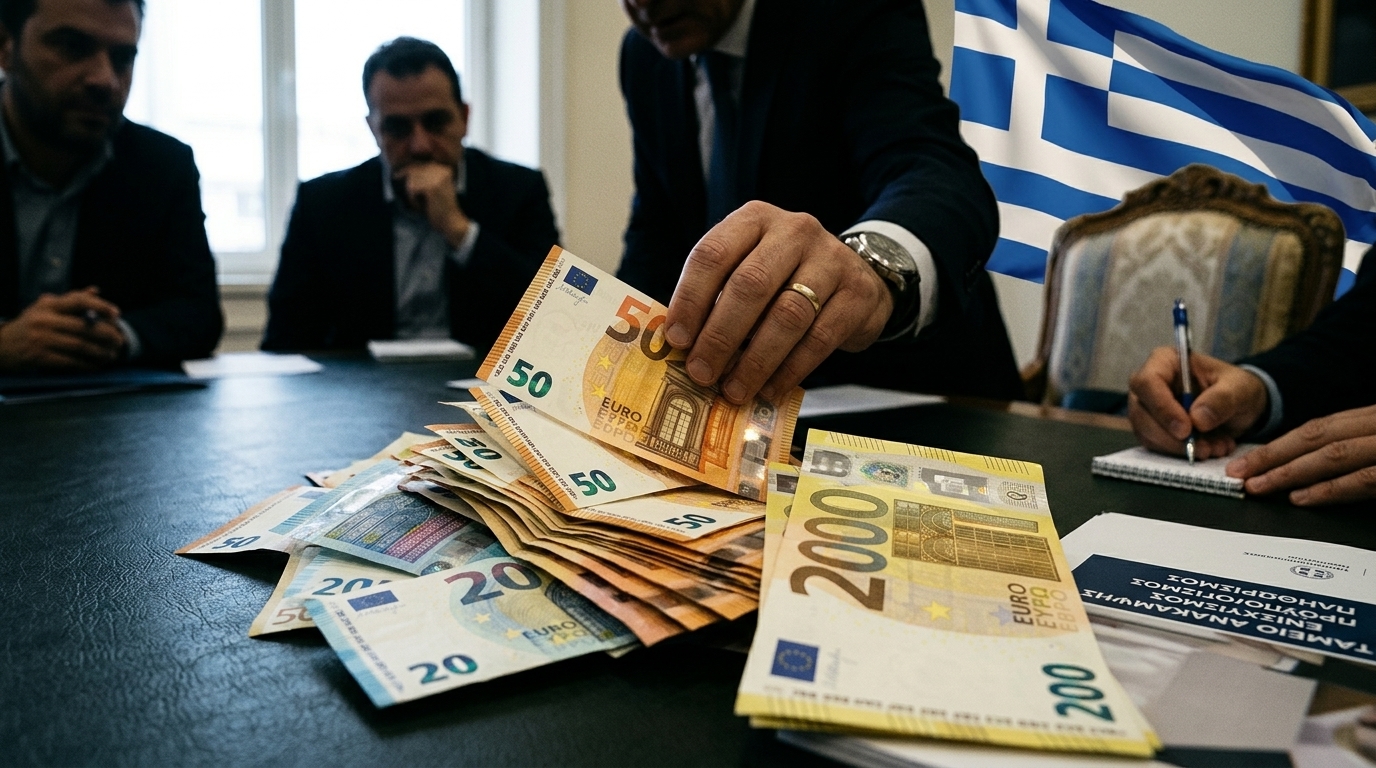
As the summer of 2026 unfolds, the Greek government faces a triple challenge that will define not only the political climate of the autumn but also the long-term stability of the national economy. With the Thessaloniki International Fair (TIF) in September serving as the traditional stage for major policy announcements, economic planners must balance social demands for relief from high prices with strict commitments to European institutions.
The Battle Against Stubborn Inflation
The first and perhaps most pressing wager is the reduction of prices on supermarket shelves and energy bills. Despite global trends showing a slowdown in inflation, Greece continues to grapple with so-called 'greedflation' and structural distortions in the supply chain. The government is considering continuing targeted market audits, yet their effectiveness remains a subject of intense debate.
According to analysts, 'imported inflation' has given way to domestic price dynamics that are difficult to reverse. Citizens are seeing their disposable income shrink, placing unbearable pressure on the Maximos Mansion for immediate measures. The strategy leading up to September includes:
- Intensifying audits by the Interagency for Market Control (DIMEA) to curb unfair profiteering.
- Potential expansion of measures like the 'permanent price reduction label' for essential goods.
- Interventions in the energy market to prevent extreme price fluctuations during the peak summer months.
'Inflation is no longer a transient crisis, but a structural challenge requiring surgical moves rather than horizontal subsidies that fuel further price hikes,' states a senior official from the Ministry of Finance.
The TIF Package: Promises vs. Fiscal Discipline
The second wager concerns the Prime Minister's traditional 'basket' of announcements at TIF. At a time when markets are closely monitoring Greece's fiscal surpluses, the margin for handouts is extremely limited. The government aims to present a package focusing on tax relief for the middle class without jeopardizing its hard-won investment-grade status.
Reports suggest the focus will be on social security contributions and the 'entrepreneurship tax' (telos epitidevmatos), aiming to stimulate employment and business activity. However, the equation remains difficult: how to satisfy retirees and public sector employees—the core voter base—when the Stability and Growth Pact rules are returning with full force?
The Recovery Fund: A Sprint for Milestones
The third and most critical wager for the country's future is the absorption of funds from the Recovery and Resilience Facility (RRF). With 2026 being a pivotal year for project completion, Greece is under immense time pressure. The milestones to be met by September involve reforms in justice, healthcare, and the digitalization of the state.
Delays in infrastructure projects and bureaucratic hurdles remain the primary risks. The government must prove to the European Commission that funds are not 'stagnating' but are being directed into productive investments that transform the country's production model. Successfully securing the next installment is essential for maintaining market liquidity.
Conclusion and Outlook
September will serve as a 'crash test' for economic policy. If the government manages to show visible results on the inflation front, presents a convincing and costed program at TIF, and keeps the Recovery Fund on track, it will have gained valuable political capital. Otherwise, political attrition will accelerate, and economic uncertainty will return, threatening the gains of recent years.
The challenge is immense, as external factors—from geopolitical tensions to the climate crisis—remain unpredictable. Greece is called to prove that fiscal responsibility can coexist with social justice in an environment that does not forgive mistakes.





