

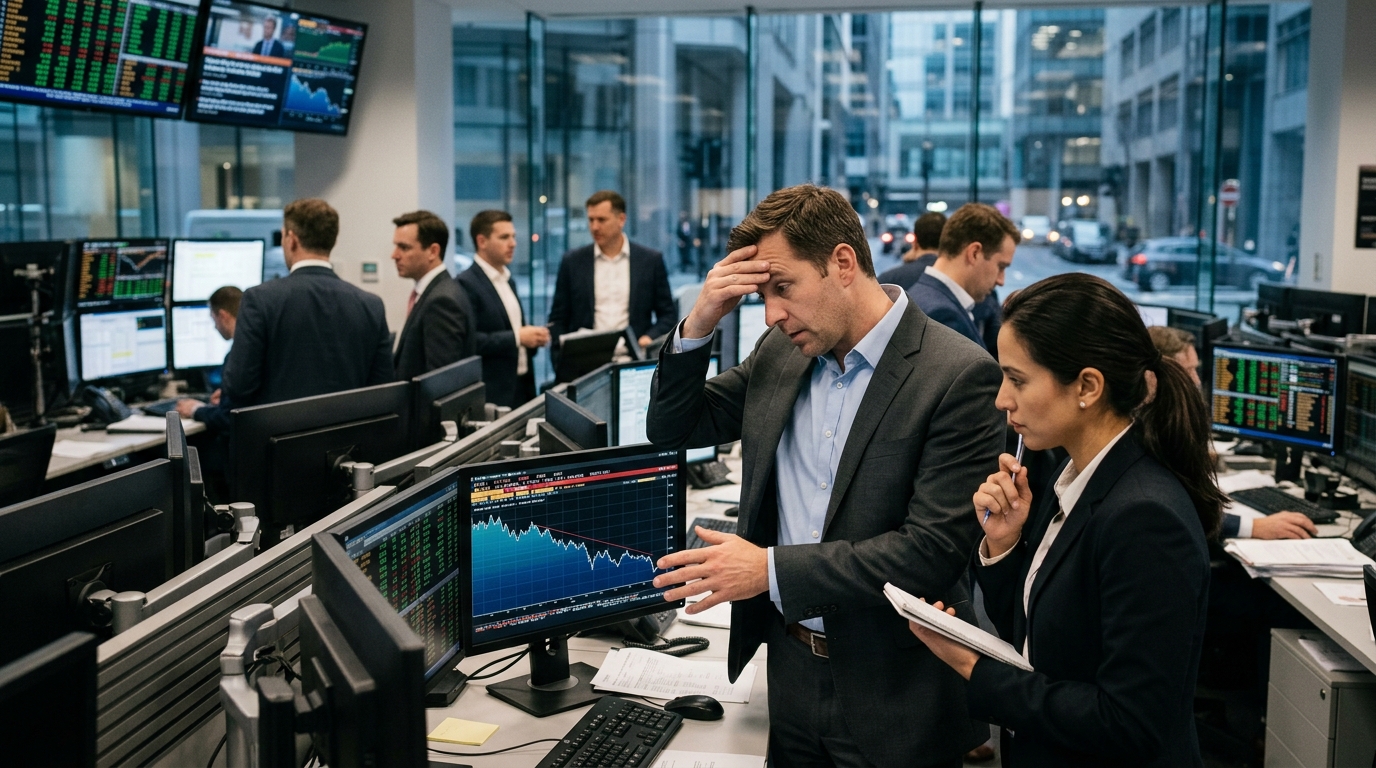
The recent volatility in tech markets, particularly within the Artificial Intelligence (AI) sector, has sent waves of anxiety through many novice investors. However, for those who have been tracking the industry for a decade, the current 'correction' is merely another episode in a long-running drama. The history of AI investing didn't begin with ChatGPT; it started much earlier, when Nvidia was just a graphics card company for gamers and Alphabet was experimenting with the first rudimentary neural networks.
The Evolution of the AI Ecosystem: From Obscurity to Dominance
Ten years ago, investing in AI required almost prophetic foresight. The term was mostly used in academic circles and by a few visionaries in Silicon Valley. Early investors had to discern value in companies building the hardware infrastructure long before the software existed to fully exploit it. Nvidia, for instance, had already begun pivoting its CUDA architecture toward general-purpose computing, yet the market viewed it with deep skepticism.
Over time, the focus shifted from pure hardware (chips) to cloud platforms. Microsoft and Amazon began integrating machine learning capabilities into their services, laying the groundwork for what we now call 'Generative AI.' This decade-long journey has taught investors that technology does not develop in a straight line, but in waves, where every peak is followed by an inevitable valley of disillusionment or valuation correction.
The Anatomy of a Correction: Why Panic is a Poor Advisor
Markets have a tendency to overreact, both on the upside and the downside. When 'AI' became the buzzword that could propel a stock by 20% in a single day, it was clear we were approaching a saturation point. The recent correction, therefore, is not due to a failure of the technology, but to the market's need to 'digest' excessive valuations. Investors who bought at the peak of the hype are now facing losses, but the lesson remains the same: a company's intrinsic value doesn't change just because its ticker price fluctuated on the board.
"Volatility isn't risk; it's the price of admission for life-changing returns," note analysts at The Motley Fool.
In reality, corrections act as a 'cleansing' mechanism. They flush out speculators seeking quick profits and allow long-term holders to reassess their positions. The grand lesson from this ten-year path is that conviction is far more important than timing. If the fundamental thesis—that AI will transform every sector of the economy—remains intact, then a price drop is an opportunity, not a threat.
The One Lesson: Focus on the 'Why,' Not the 'When'
If we had to isolate a single lesson from the last 10 years, it would be this: Do not confuse market noise with real-world technology adoption. While stocks may retreat, the implementation of AI in enterprises is growing exponentially. Companies do not stop purchasing GPUs or training models simply because the Nasdaq fell 10%. On the contrary, the need for automation and efficiency becomes even more pressing during times of economic uncertainty.
- Hardware dominance persists, but software is the next great frontier.
- The winners of the next decade will be those who turn AI into profitable revenue streams, not just experimental tools.
- Diversification remains critical, as not every 'AI company' will survive the thinning of the herd.
In conclusion, a decade of experience shows that patience is the most underrated skill in investing. Artificial Intelligence is not a bubble destined to burst and vanish, but a structural shift akin to the advent of the internet. Those who can withstand the turbulence and remain focused on companies with true competitive advantages will be the ones vindicated when the dust of the current correction finally settles.





