

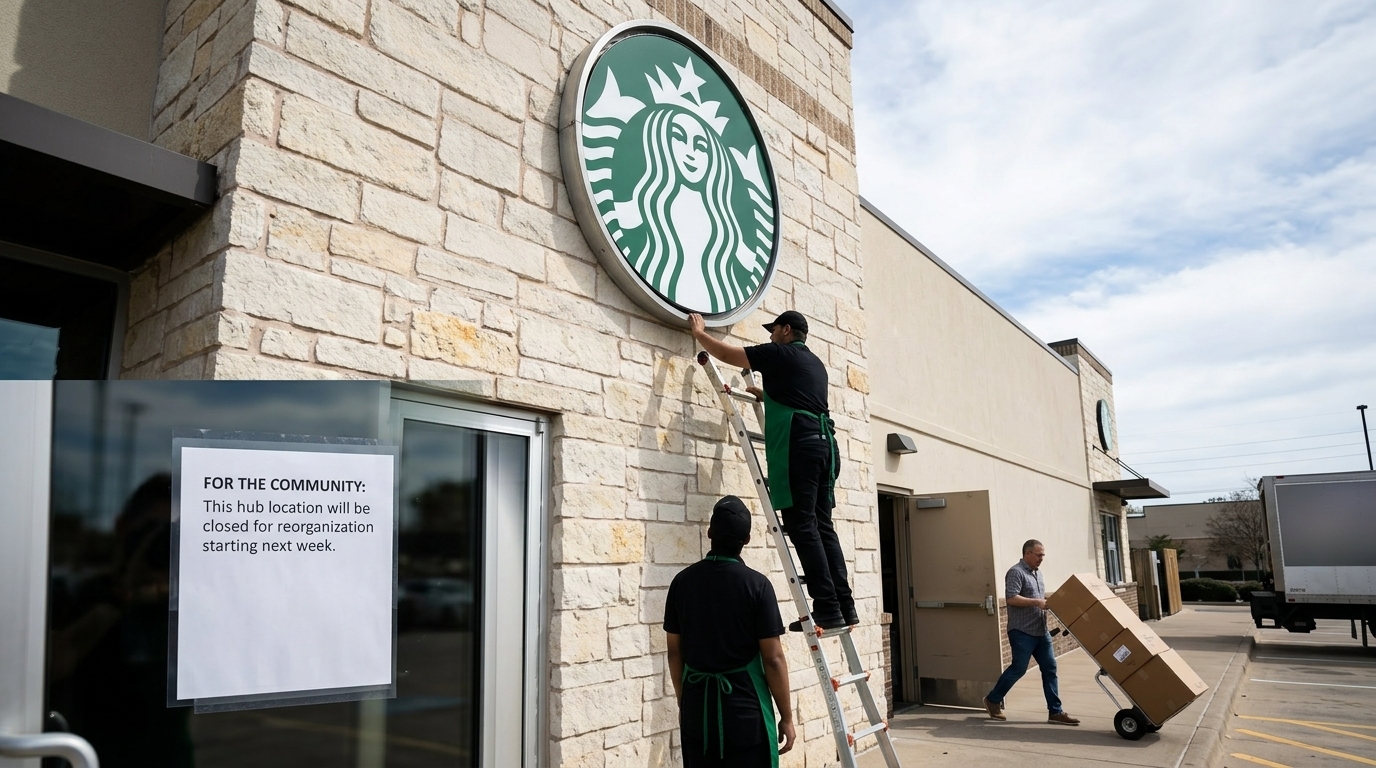
In a move that mirrors the broader pressures facing the food service and retail industries, Starbucks Corporation is undergoing a significant reorganization of its corporate model. The announcement regarding the elimination of 300 office-level positions and the closure of regional hubs across the United States is not merely a cost-cutting measure, but a strategic repositioning of the company that once defined the concept of the "third place" between work and home.
The Strategy of Centralization
The decision to shutter regional offices and bolster the central headquarters in Seattle suggests an urgent drive for faster decision-making. According to leaked internal memos, the company’s leadership believes that the decentralized structure adopted over the last decade created bureaucratic bottlenecks that hindered Starbucks from responding to rapidly shifting consumer habits. By eliminating regional hubs, the company seeks to remove layers of management that stand between central strategy and store-level execution.
The 300 layoffs primarily affect administrative staff, analysts, and support services. While the number may seem small compared to a global workforce of hundreds of thousands of baristas, the move sends a loud signal to Wall Street: the era of unchecked expansion is over, giving way to an era of margin optimization and lean operations.
The "Back to Starbucks" Challenge
This restructuring follows the "Back to Starbucks" roadmap initiated by the current leadership. After a period of declining same-store sales and increasing pressure from competitors—ranging from boutique coffee roasters to value-driven alternatives—Starbucks is being forced to redefine its value proposition. In 2026, consumers are more discerning with their discretionary spending, while the persistence of hybrid work has permanently altered morning traffic patterns in urban centers.
- Focusing on beverage production automation to reduce wait times.
- Investing in the mobile app, which now accounts for the lion's share of orders.
- Redesigning store formats with an emphasis on pickup rather than traditional seating.
Starbucks is attempting to balance its heritage as a premium brand with the operational necessity of functioning with the speed and efficiency of a fast-food chain. The closure of regional offices is the price of this transformation.
The Human and Corporate Impact
These layoffs do not occur in a vacuum. The company continues to navigate challenges from the labor unionization movement within its stores. While the current cuts target the corporate level, the sense of uncertainty permeates the entire organization. Critics argue that Starbucks is sacrificing its unique corporate culture on the altar of quarterly earnings, drifting away from the values that made it a global phenomenon.
"Restructuring is necessary to ensure our resources are directed where they matter most: to our customers and our partners in the stores," a company spokesperson stated.
However, the reality is that Starbucks is preparing for a future where physical office presence is less vital than digital infrastructure. This move is expected to save millions in annual operating expenses, which the company intends to reinvest in store modernization and AI-driven personalization technologies. As the company consolidates power in Seattle, the question remains whether a more centralized Starbucks can maintain the local charm that was once its hallmark.





