

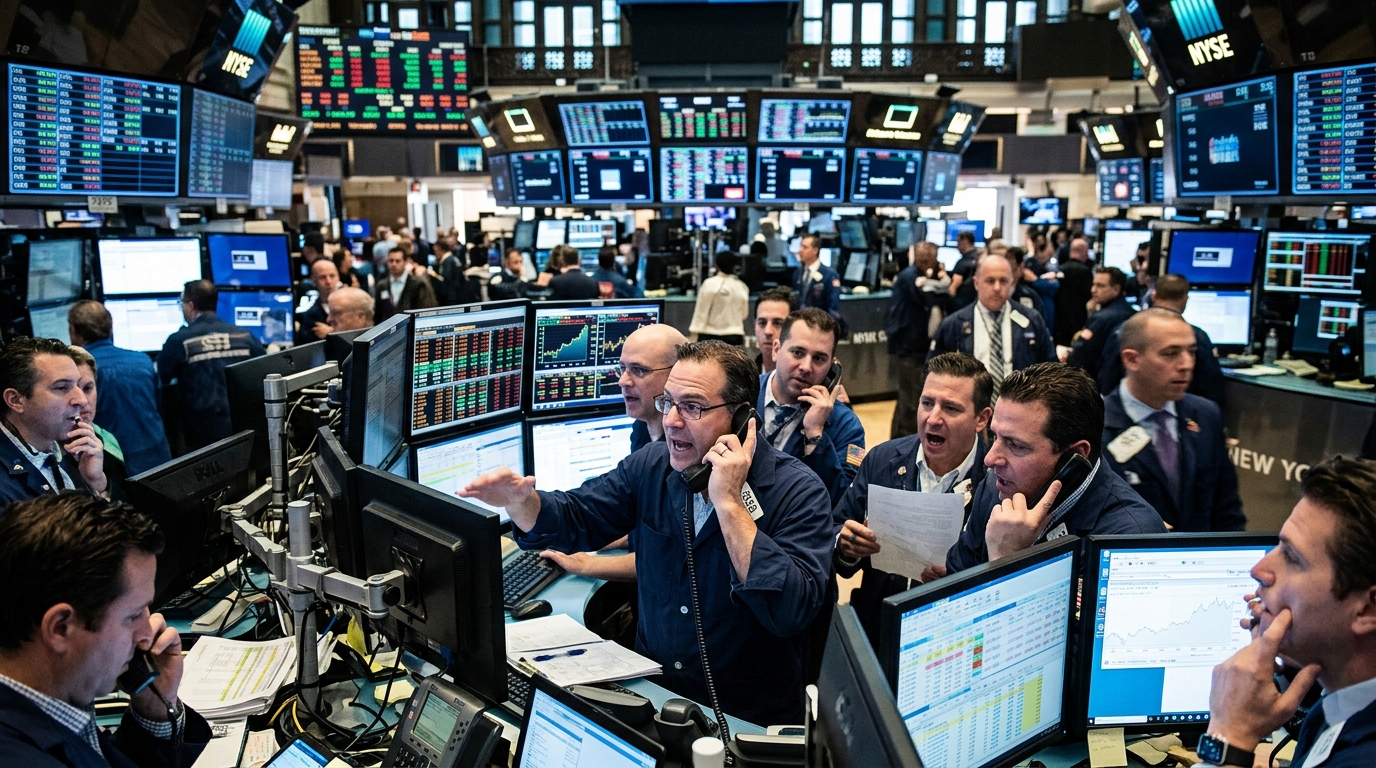
As the summer of 2026 draws to a close, the Greek government and its economic team face a triple challenge that will define not only the country's course for the remainder of the year but also the long-term stability of the national economy. September, traditionally the month of political and economic reveals at the Thessaloniki International Fair (TIF), carries a particular weight this year. There are three central pillars to this bet: the de-escalation of market prices, the fiscal package of benefits and reforms to be announced at TIF, and the critical deadline for the Recovery and Resilience Facility (RRF).
Persistent Inflation and the Price Bet
Despite efforts toward fiscal balancing, inflation in food and basic goods remains a thorn in the daily lives of Greek citizens. The first bet of September concerns the effectiveness of market control measures. The government is called upon to prove that oversight mechanisms can curb the phenomenon of "greedflation," at a time when international energy prices show relative stability, but shelf prices refuse to follow the downward trend.
Data analysis shows that domestic demand remains strong, bolstered by the record-breaking tourism season of 2026, allowing businesses to maintain high profit margins. However, social pressure is mounting. The economic team is considering expanding measures like "permanent price reductions" and intensifying fines, although the structural solution remains enhancing competition and reducing production costs in the primary sector.
The TIF Package: Balancing Benefits and Discipline
The second major bet is played out on the TIF stage. The Prime Minister is expected to present a roadmap that attempts to square the circle: offering substantial relief to middle and low-income households without disrupting the fiscal discipline imposed by the new European Union rules. With an eye on the investment grade and the need for primary surpluses, the TIF "basket" cannot be inexhaustible.
- Reduction of social security contributions to boost disposable income.
- Targeted interventions for the housing problem, which is evolving into a major social crisis.
- A new framework for public investment with an emphasis on technology and the green transition.
- Incentives for merging small and medium-sized enterprises to increase productivity.
The challenge here is the communication and substantive management of expectations. In an era where citizens demand immediate solutions, the government must convince them that the reforms have depth and are not merely election-style fireworks.
The Final Countdown for the Recovery Fund
The third and perhaps most critical bet is the management of the Recovery Fund. As we approach the end of 2026, Greece is in the final stretch for the absorption of its allocated funds. It is no longer about project design but completion. The risk of losing resources due to bureaucratic delays or the inability of contractors to meet deadlines is real.
"The Recovery Fund is the Marshall Plan of our generation. If we fail to transform these billions into infrastructure, a digital state, and energy autonomy, we will have lost the last great opportunity for the structural transformation of Greece," market circles note.
The government is focusing on accelerating procedures for major infrastructure projects and integrating artificial intelligence into public administration, which is largely funded by the RRF. September will be the month of "progress checks," where each ministry will be judged on its effectiveness in meeting milestones.
Artificial Intelligence as a Catalyst
Within the context of The AI Chronicle, we cannot overlook the role of technology in these three bets. The use of advanced algorithms for real-time price monitoring can provide regulatory bodies with the tools they need to crack down on profiteering. Meanwhile, the digitalization of RRF processes through AI can speed up approvals and reduce administrative burdens, ensuring that not a single euro is wasted. Greece in 2026 does not have the luxury of operating at the speeds of the past.





