

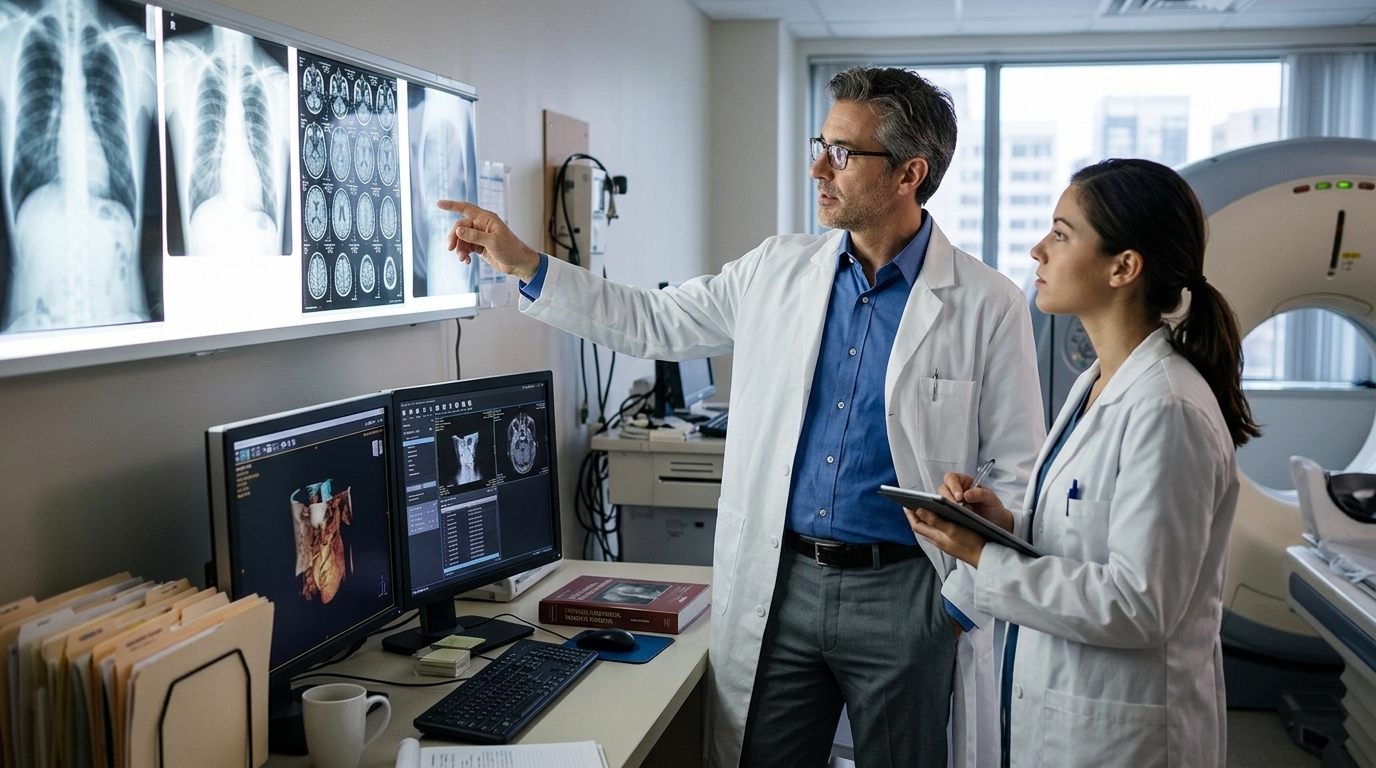
In 2016, Geoffrey Hinton, the “Godfather of AI,” stood before a machine learning conference and declared that AI would soon make radiologists obsolete. He famously suggested that training new radiologists was a mistake, comparing them to a coyote that had already run off a cliff but hadn't yet looked down. A decade later, the profession is not only surviving but thriving.
Record Salaries and Growing Demand
According to a study from Medscape, the average salary for radiologists rose to $571,000 as of 2025, a 9% year-over-year increase. Far from being displaced, the field is facing a significant labor shortage. Data from RadBoard.io showed nearly 7,500 active job postings in May, with many remaining unfilled for over 60 days. The number of active radiologists in the U.S. has actually grown by 10% over the last ten years.
Why the 'Replacement' Narrative Failed
Experts suggest several reasons why Hinton’s prediction missed the mark:
- Tasks vs. Jobs: Nvidia CEO Jensen Huang noted that doomers often conflate the specific task of scan-reading with the entire profession. Radiologists also perform hands-on procedures, consult with physicians, and monitor patients.
- Structural Barriers: Medicare and Medicaid reimbursement policies require a licensed physician to perform the final read. There are also unresolved questions regarding liability for AI-driven diagnostic errors.
- The Human Element: Dr. Tonie Reincke, an interventional radiologist, emphasized that AI cannot simulate compassion. "A computer can’t hold a patient’s hand when they’re crying," she told Fortune.
The resilience of radiology mirrors the historical impact of spreadsheet software on accountants. Rather than eliminating the profession, tools like Excel automated routine calculations, allowing accountants to pivot toward more complex advisory roles. Similarly, AI tools are now being used to handle caseloads that skyrocketed 25% between 2018 and early 2025, helping doctors manage burnout rather than taking their chairs.
“As long as AI doesn't make this quantum leap of becoming sort of AGI, most jobs are going to be reasonably safe,” said economist Christoph Herpfer.





