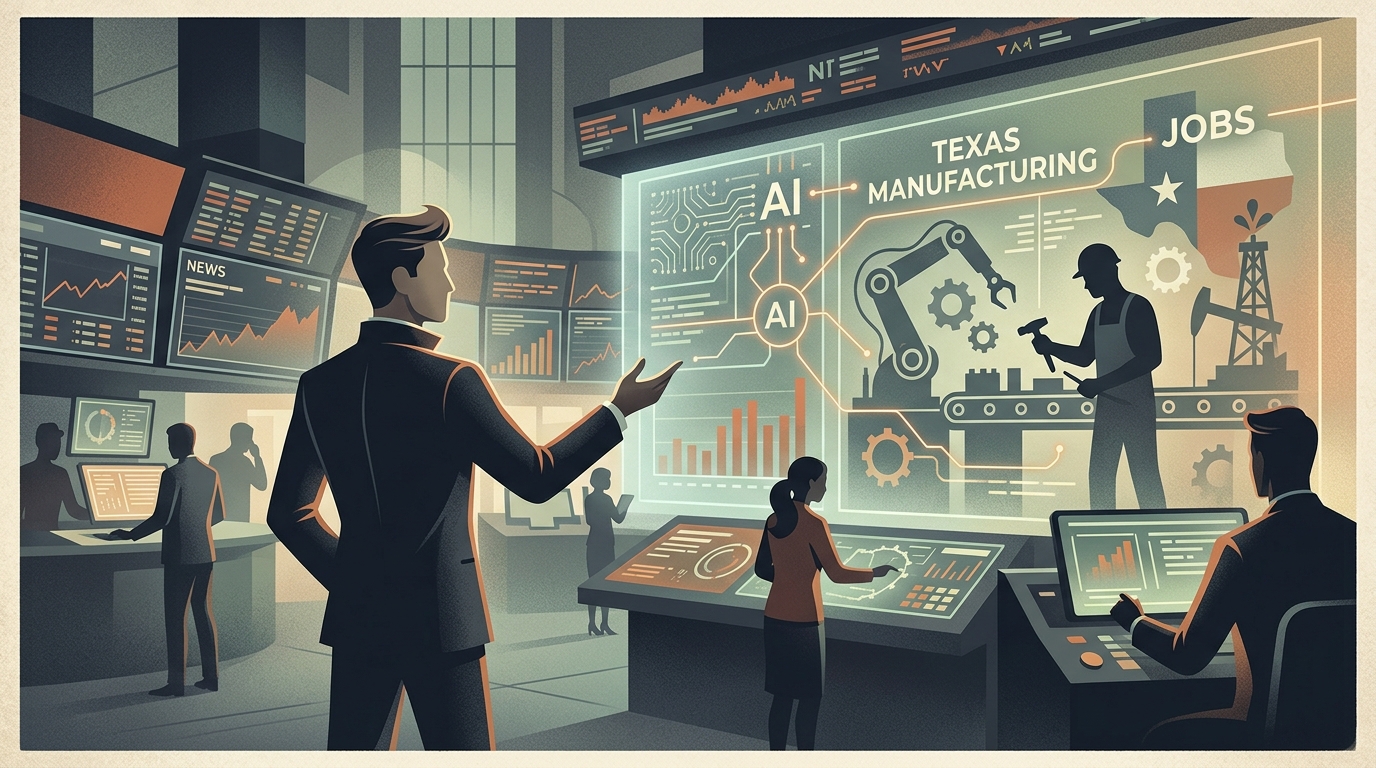
In an era where fears of automation and job displacement dominate global economic discourse, Jensen Huang, the visionary leader of Nvidia, is presenting a radically different perspective. During recent remarks, Huang argued that Artificial Intelligence will not be the executioner of manufacturing labor, but the catalyst for its rebirth. Texas, a state with deep roots in energy and production, has been chosen as the primary laboratory for this theory.
The Advent of Physical AI
Huang introduced the term "Physical AI," referring to systems that are not limited to generating text or images but can understand and interact with the physical world. This includes robots, autonomous vehicles, and smart factories operating based on the laws of physics. According to Huang, AI will enable industries to become so efficient that production will return to high-labor-cost countries like the US, creating a new ecosystem of high-skilled jobs.
Nvidia's argument rests on the concept of "Digital Twins." Through the Omniverse platform, companies can design, simulate, and test entire factories in a virtual environment before a single brick is laid in the real world. This process dramatically reduces errors and costs, allowing local production units to compete with Asian giants.
Texas as the New Epicenter
The choice of Texas is not accidental. The state already possesses a strong industrial background and a rapidly growing tech scene in Austin and Dallas. Major companies like Tesla and Foxconn are investing in massive facilities in the region, integrating Nvidia's technology to automate their production lines. Huang believes that this "smart" manufacturing will require hundreds of thousands of new workers—not to perform repetitive manual tasks, but to oversee, program, and maintain complex AI systems.
"The next phase of AI is the automation of heavy industry. It’s not about replacing humans; it’s about empowering them with tools that make production feasible anywhere," Huang stated.
Challenges and Social Implications
However, Huang’s optimism is not met without skepticism. Critics point out that while new jobs may be created, workers displaced by traditional automation might not possess the skills to transition into the new era. The need for massive retraining is urgent. If the Texas experiment fails to integrate the existing workforce, the risk of social inequality will rise.
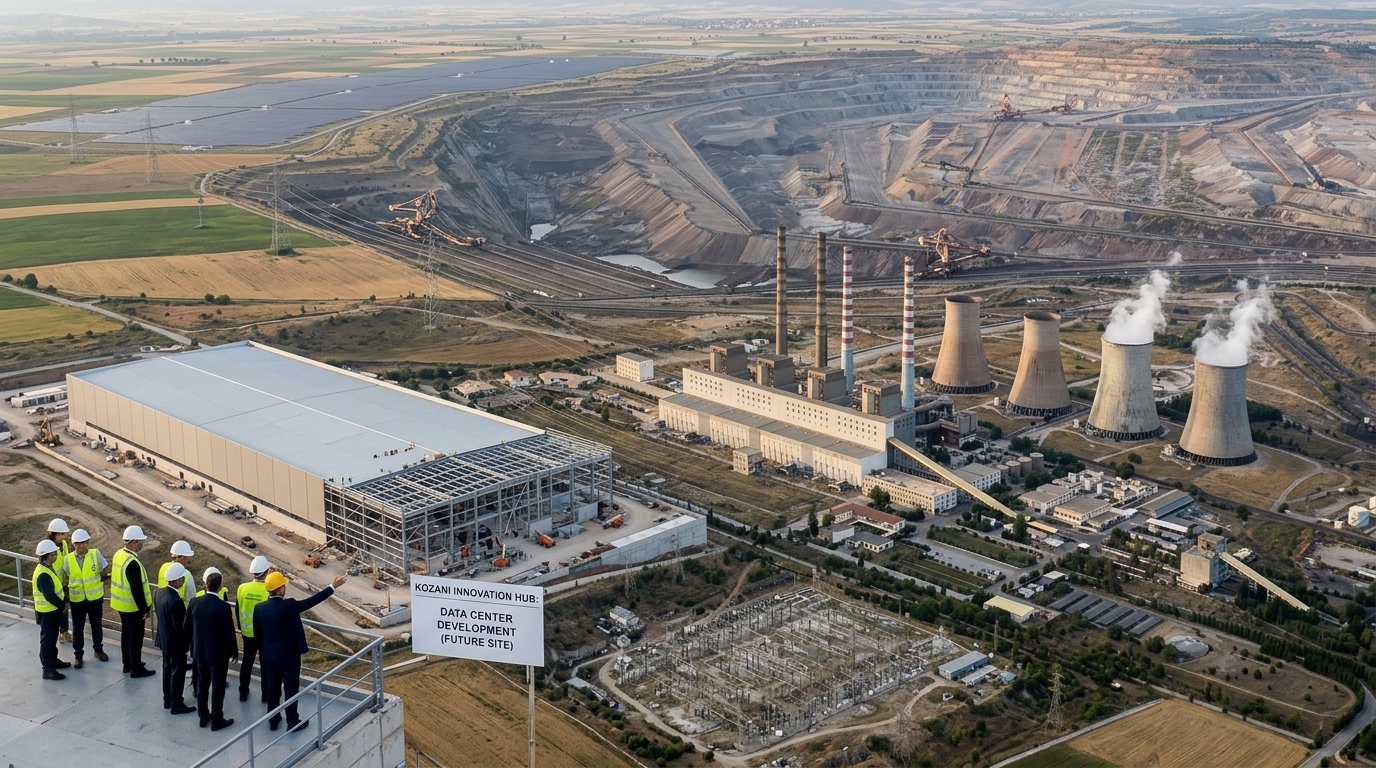
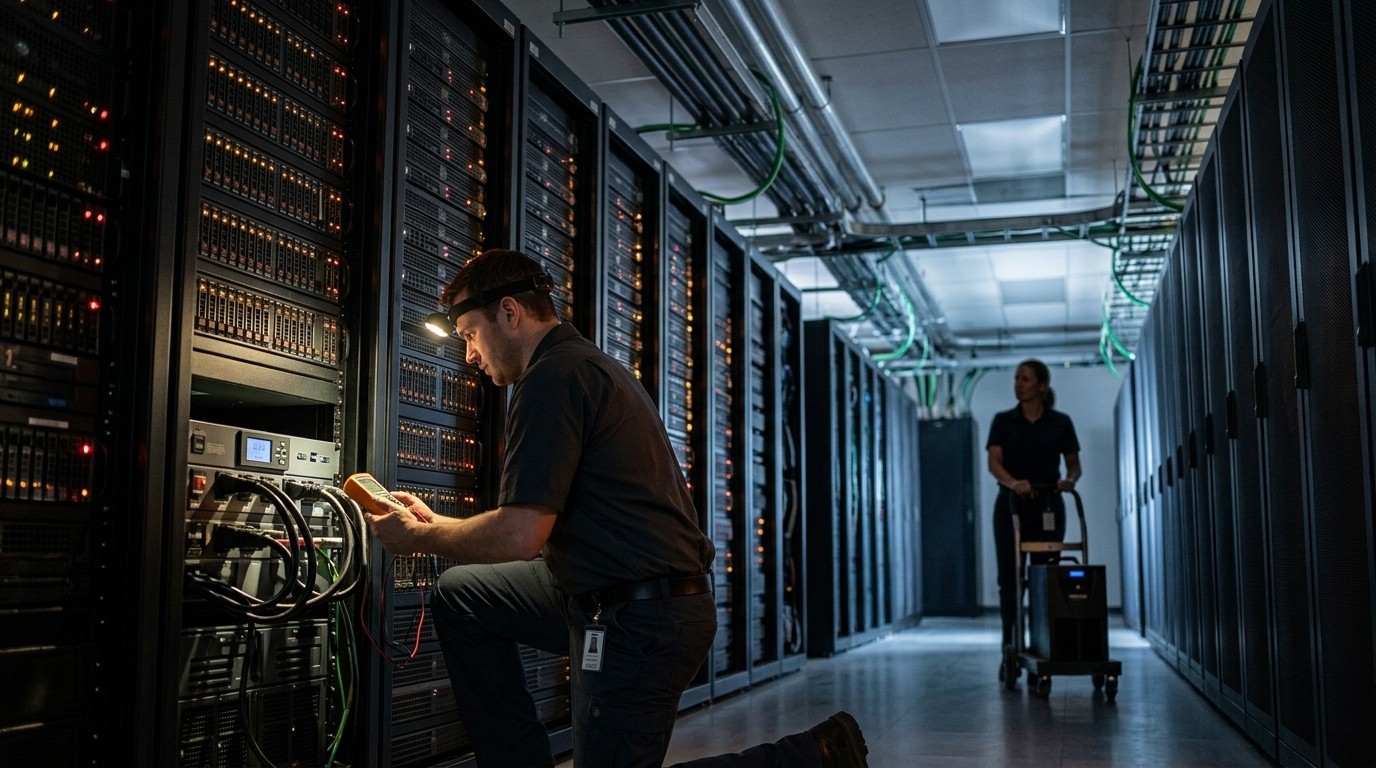
Furthermore, there is the issue of energy consumption. The data centers required to support Physical AI are energy-intensive. Texas, despite its energy resources, has already faced issues with its power grid. The success of Nvidia's vision depends on a stable and green energy infrastructure capable of powering the factories of the future.
Conclusion: A New Industrial Revolution?
Nvidia is no longer just selling chips; it is selling the operating system of global industry. If Huang’s prediction holds true, Texas will become the template for a global shift toward "local-global" production, where technology nullifies distances and labor costs. The stakes are massive, and the results in Texas will determine whether AI will be the savior or the destroyer of the Western middle class.