

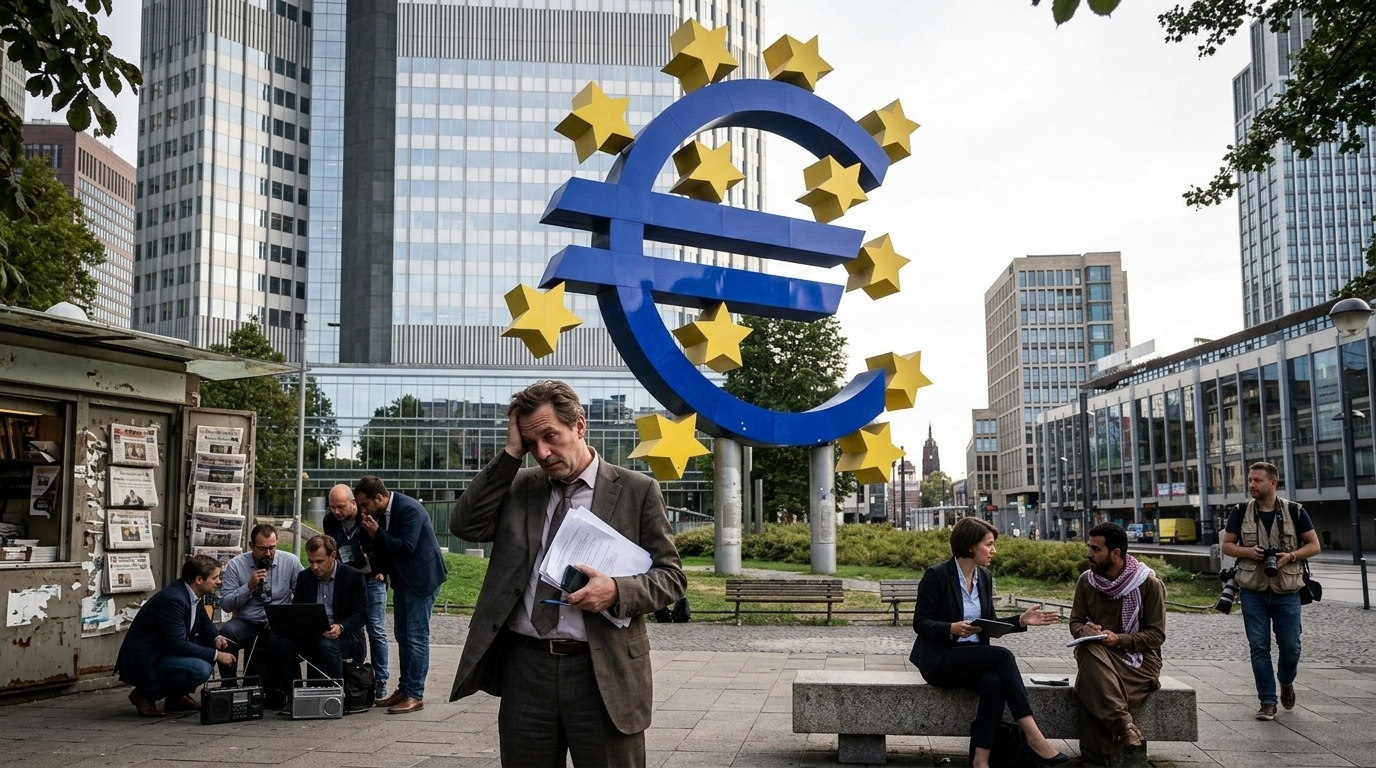
History seems to be repeating itself in a way the European Central Bank (ECB) hoped to avoid in the summer of 2026. Just as the Eurozone appeared to be emerging from the long shadow of the energy crisis, dramatic developments in the Middle East are rewriting the script. Rising crude oil prices and supply chain disruptions through the Red Sea are no longer just geopolitical headlines; they are direct threats to the purchasing power of European citizens.
The Oil Factor and the Supply Shock
The recent escalation of conflict has pushed Brent crude to levels that are causing significant alarm among analysts in Frankfurt. Oil is not merely a fuel; it is the lifeblood of the global economy. When energy prices spike, costs are almost immediately transferred to transportation, industrial production, and ultimately, supermarket shelves. What economists call "second-round effects" is now the ECB's greatest fear.
According to recent analyses, every 10% increase in the price of oil can add up to 0.2 percentage points to Eurozone inflation over a one-year horizon. However, the problem today is the sheer speed of the change. With markets on edge, uncertainty acts as a crisis multiplier. Businesses, fearing further hikes, are implementing preemptive price increases, fueling a vicious cycle that the ECB has been desperately trying to break for the last 18 months.
"Geopolitical uncertainty is the worst enemy of monetary stability. We cannot control oil prices with interest rates, but we must react if those prices threaten long-term price stability," a senior ECB official recently remarked.
Christine Lagarde's Delicate Balancing Act
Christine Lagarde finds herself in an extraordinarily difficult position. On one hand, the Eurozone economy is showing signs of fatigue, with Germany flirting with stagnation and consumer spending remaining sluggish. In such an environment, logic would dictate continuing rate cuts to stimulate growth. On the other hand, inflation, if left unchecked due to energy costs, could erode real incomes and lead to social unrest.
The dilemma is stark: a "hawkish" stance to contain inflation at the risk of inducing a recession, or a "dovish" approach to support the economy at the risk of a return to stagflation? Markets have already begun pricing in fewer rate cuts for the remainder of 2026, reflecting the belief that the ECB will be forced to remain on a restrictive path for longer than previously anticipated.
- Rising energy prices directly impact the Consumer Price Index (CPI).
- Trade disruptions increase the cost of imported goods.
- Uncertainty discourages private sector investment.
- National governments are pressured to increase spending on energy subsidies, straining budgets.
Structural Vulnerabilities and Import Dependency
The current crisis once again highlights Europe's structural vulnerability: its heavy reliance on external energy sources. Despite efforts toward the "Green Transition," oil and gas remain the primary pillars of the energy mix for many industries. The Middle East remains a critical hub, and any instability there automatically translates into economic pain for the European consumer.
Furthermore, the strength of the US dollar against the Euro exacerbates the situation. Since oil is priced in dollars, the depreciation of the common currency due to economic uncertainty makes energy imports even more expensive. This is an "imported inflation" that the ECB cannot easily fight, as its tools are designed to manage domestic demand rather than address exogenous supply shocks.
Conclusion: Geopolitics as the New Economic Arbiter
The future of monetary policy in the Eurozone is no longer decided solely in the offices of Frankfurt, but also on battlefields and at diplomatic summits in the Middle East. The ECB is called to navigate uncharted waters, where traditional economic rules are taking a backseat to geopolitical necessity. The next ECB meeting will be pivotal, not just for interest rates, but for the message it sends to the markets: is Europe ready to sacrifice growth on the altar of price stability, or will it allow a controlled rise in inflation to avoid economic collapse?
The answer is not simple, and the consequences will affect millions of households. In an increasingly fragmented world, Europe's economic sovereignty is being severely tested, and inflation is the most visible symptom of this trial.





