

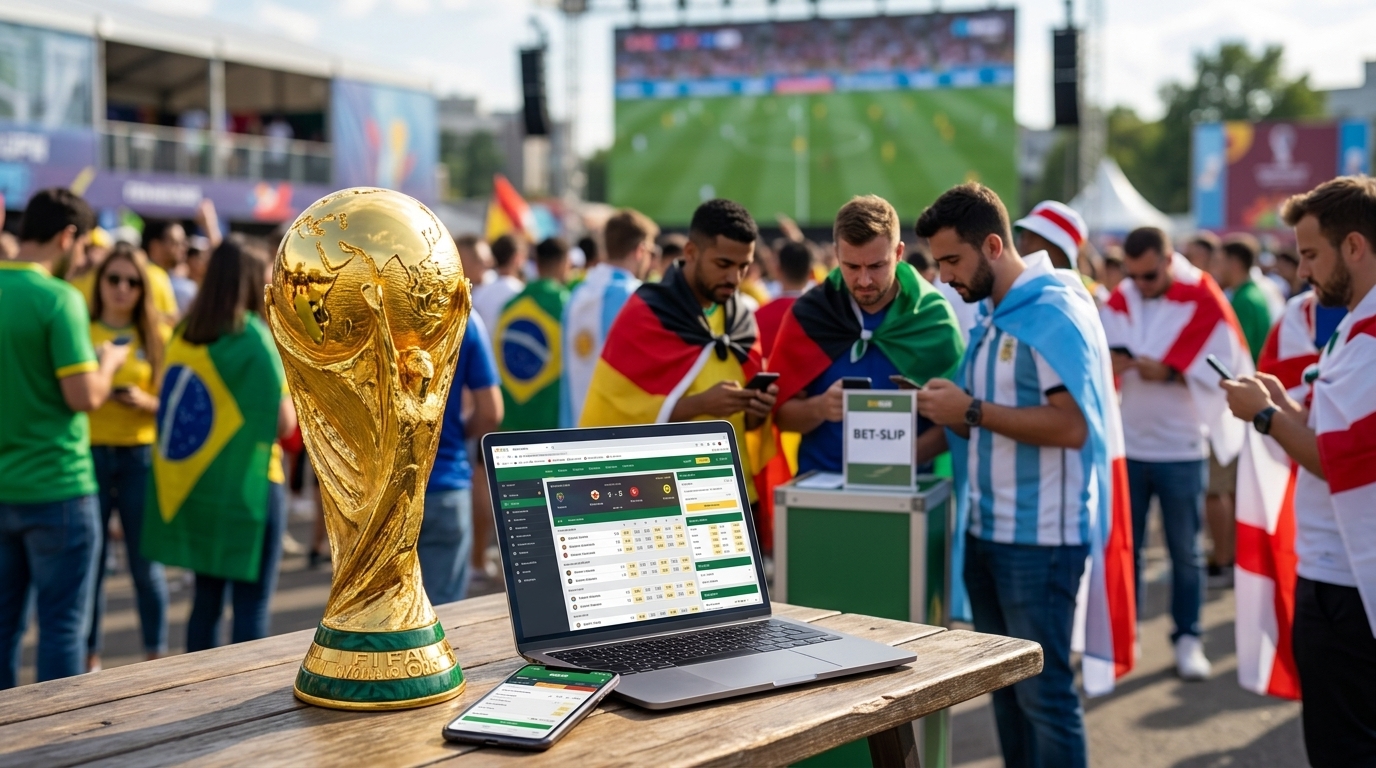
The countdown to the 2026 FIFA World Cup has officially begun, and as the spotlight turns toward North America, it is becoming increasingly clear that this is not just a sporting event—it is an economic hurricane. With the opening match only days away, the online betting industry is bracing for what analysts are calling "the largest wagering event in human history." The expansion of the tournament from 32 to 48 teams and the subsequent increase to 104 matches create a new landscape where billions of dollars will flow not just through stadiums, but primarily through digital platforms.
The Geometric Progression of Revenue and Matches
FIFA's decision to expand the tournament was a move criticized by football traditionalists but cheered by economists. More teams mean more national markets are activated. When a country participates in the World Cup, betting activity within its borders increases by an average of 400% compared to non-tournament periods. By adding 16 additional teams, FIFA and betting giants are "unlocking" new pools of users across Asia, Africa, and Central America.
The sheer volume of 104 matches provides a continuous stream of content for 39 days. For betting operators, this means the elimination of "dead days" and constant user engagement. The strategy of these companies has shifted from traditional "match winner" bets to so-called "micro-betting." Thanks to artificial intelligence and real-time data, players can now bet on whether the next corner will be taken within the next minute or if the goalkeeper will save the next shot. This type of high-frequency betting is expected to account for 60% of the tournament's total turnover.
North America as the Financial Epicenter
The fact that the tournament is hosted in the US, Canada, and Mexico adds another layer of economic significance. Since the 2018 Supreme Court decision that paved the way for legal sports betting, the US has evolved into the most competitive market in the world. With the World Cup taking place on American soil, companies like FanDuel, DraftKings, and BetMGM are expected to spend record amounts on marketing to attract fans attending the games.
Furthermore, the match schedules are ideal for the Americas while strategically positioned to cover European prime time and Asian morning hours. This global coverage ensures that the betting "machine" never stops running. Wall Street analysts estimate that the total global betting volume will exceed $160 billion, a figure that dwarfs any previous record.
Artificial Intelligence: The Invisible Bookmaker
The great difference of 2026 compared to Qatar 2022 is the maturity of Artificial Intelligence systems. Betting companies now use algorithms that can adjust odds in milliseconds, minimizing risk for the bookmaker. Simultaneously, AI is used to personalize offers. If a player enjoys betting on Latin American athletes, the app will suggest specific bets for the Argentine or Brazilian national teams before the match even begins.
However, this technological superiority brings challenges. Regulators in Europe and the Americas are expressing concerns about addiction and the protection of vulnerable groups. The speed and ease of mobile betting, combined with the intensity of a World Cup, create a volatile mix. Already, many countries are tightening advertising rules during matches, trying to find a balance between massive tax revenues and social protection.
Conclusion: A New Model of Sports Capitalism
The 2026 World Cup will go down in history as the turning point where football and digital gambling became an inseparable whole. The economic success of the tournament will not be judged solely by ticket sales or broadcasting rights, but by data and betting slips. While national teams fight for the trophy, tech giants and betting platforms will wage their own battle for dominance in a market that knows no borders. Betting is no longer just a side product; it is the driving force behind the sustainability of modern sports entertainment.





