

The global economy of 2026 is facing one of its most complex challenges in decades. While the international community's eyes are fixed on the geopolitical and humanitarian dimensions of the conflict in Iran, a silent but devastating crisis is unfolding in Asia’s industrial hubs. The plastics shortage, triggered by the disruption of raw material flows from the Persian Gulf, threatens to paralyze everything from consumer electronics to medical devices and the automotive industry.
The Strait of Hormuz and the Petrochemical Bottleneck
Iran is not just a major exporter of crude oil; it is one of the world's leading producers of ethylene, polyethylene, and other essential polymers. With the escalation of hostilities and the closure or hazardous passage through the Strait of Hormuz, Asian giants—China, India, and Vietnam—find themselves cut off from their primary supply source. Prices for naphtha, the fundamental feedstock for plastic production, have surged by 45% in just three weeks, forcing many factories in Asia to scale back production or shut down temporarily.
The situation is exacerbated by the fact that Asian industries have operated for years on the "Just-in-Time" (JIT) model. This means that raw material inventories are thin, often sufficient for only 15 to 20 days of production. As tankers remain stranded or reroute around the Cape of Good Hope at great expense, supply chains are snapping at multiple points. As market analysts note, "this is no longer a cost crisis; it is an availability crisis."
From Smartphones to Food: The Domino Effect of Shortages
The consequences of this shortage are visible in every aspect of modern life. In China, electronics manufacturers are warning of delays in the delivery of new smartphone and laptop models, as plastic casings and internal insulating components become scarce. In India, the food packaging industry is on high alert. Without polypropylene, the safe packaging and distribution of essential goods becomes impossible, already leading to price hikes on supermarket shelves.
"Our dependence on Middle Eastern petrochemicals has proven to be the Achilles' heel of Asian growth. Without plastic, modern industry simply stops breathing," says Dr. Li Chang, an economist at Shanghai University.
Furthermore, the crisis is hitting the healthcare sector hard. Many medical disposables, such as syringes, IV tubes, and protective equipment, depend on specific types of polymers produced in large quantities in Iran. The shortage of these materials in Asia, which acts as the "global factory" for these items, is expected to cause shortages in European and American hospital systems within the coming months.
The Search for Alternatives and the Return to Protectionism
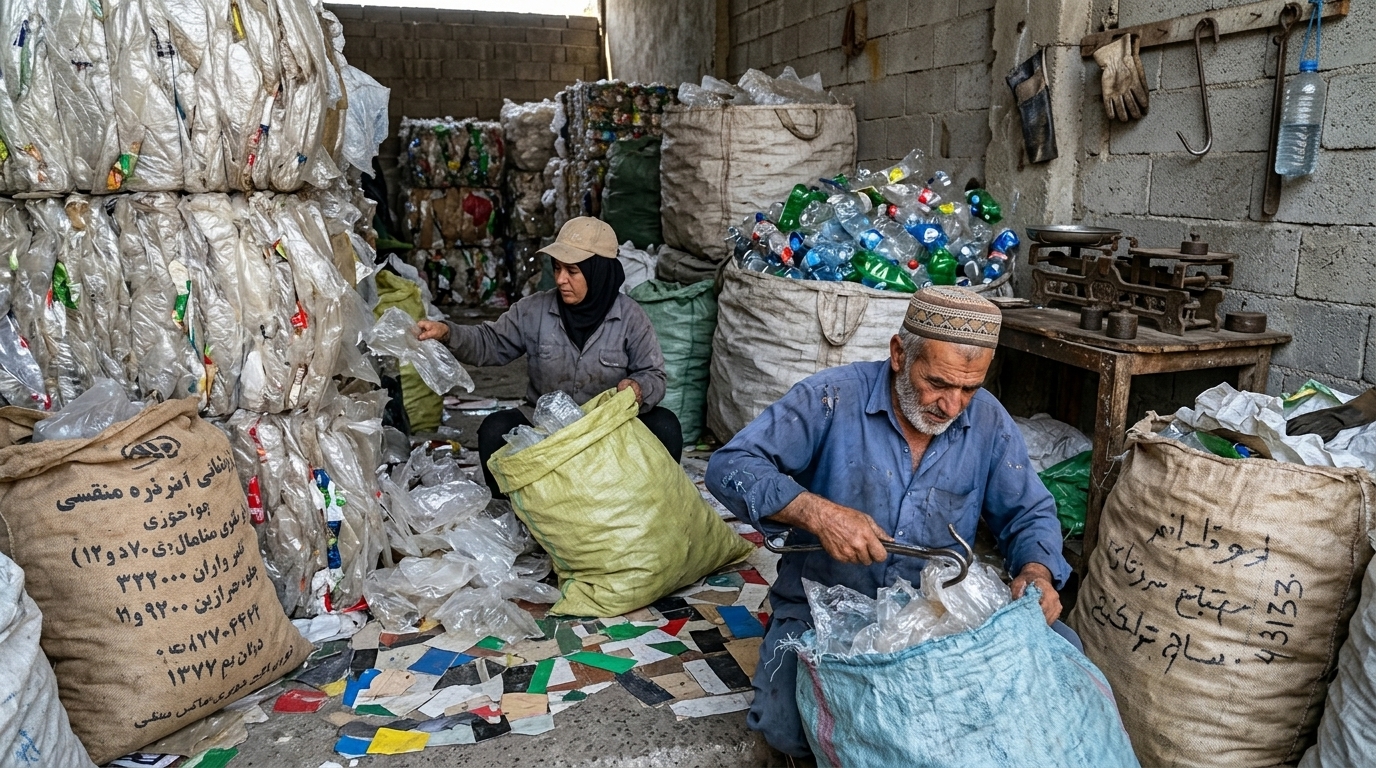
Faced with this impasse, governments and major multinationals are desperately searching for alternatives. There is a shift toward plastic recycling, but the infrastructure is not yet ready to fill the massive void left by primary production. Simultaneously, we are seeing a trend of "reshoring" manufacturing. Countries like the US and Germany are rapidly investing in their own domestic polymer production, attempting to shield themselves from future geopolitical shocks.
However, this transition is neither easy nor cheap. Building new petrochemical plants takes years and billions of dollars in investment. Meanwhile, protectionism is on the rise. Some countries have already begun restricting the export of plastic raw materials to secure their own domestic industries, further fragmenting the global market and driving prices even higher.
Conclusion: The End of the Era of Cheap Plastic?
The Iranian crisis may prove to be the turning point for the global plastics industry. The era of abundant and cheap plastic, predicated on stable geopolitical balances and open sea lanes, appears to be coming to an end. Businesses are now being forced to redesign their supply chains, prioritizing resilience over low cost. This means diversifying sources, investing in bioplastics, and accelerating the circular economy. While the short-term price will be high, the need to decouple from volatile fossil fuel production regions may provide the necessary impetus for a more sustainable industrial revolution.





