

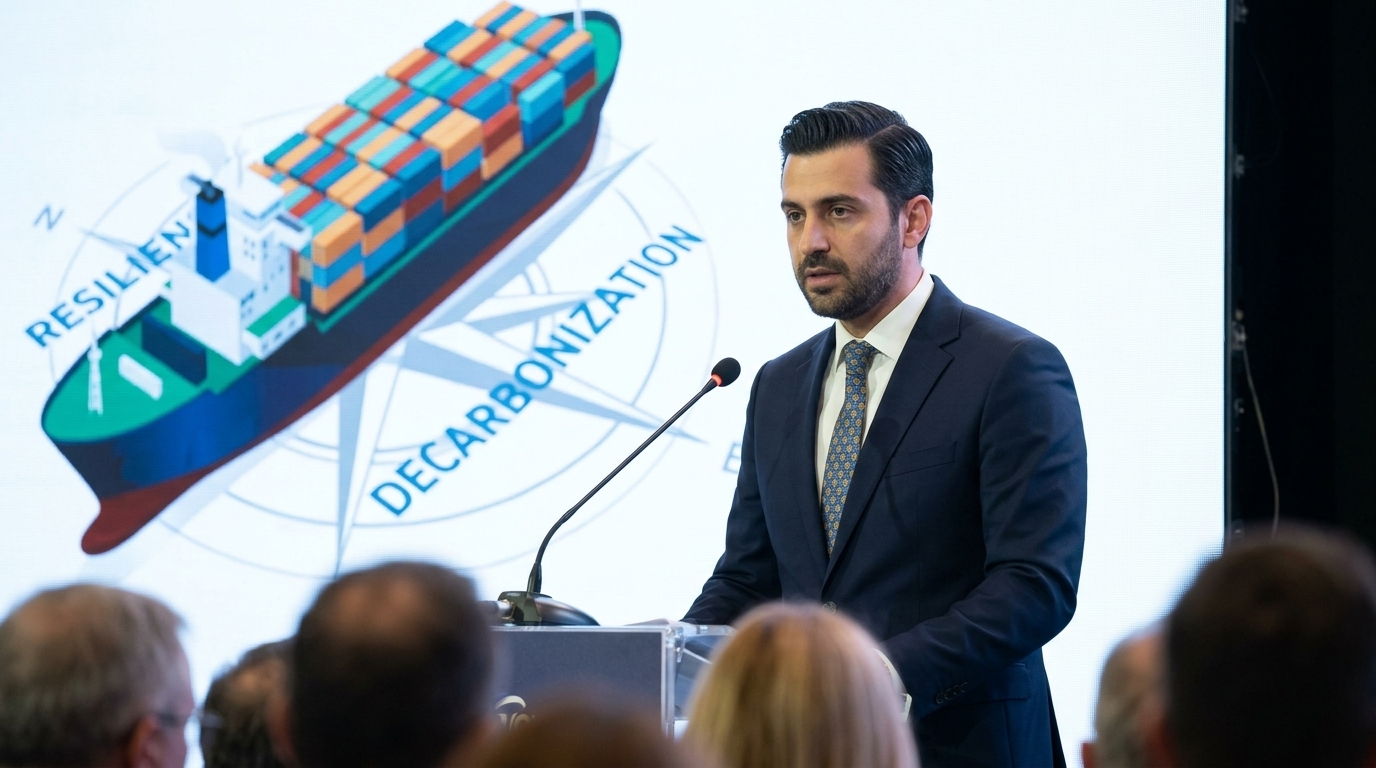
In an era where geopolitical volatility and the climate crisis are redrawing the maps of global commerce, the International Chamber of Shipping (ICS) has placed "resilience" at the top of its strategic agenda. Thomas Kazakos, Secretary General of the ICS, recently emphasized that shipping is not merely an economic sector but the skeletal framework that sustains billions of lives, ensuring the seamless flow of food, energy, and raw materials. However, this framework is currently under pressures unprecedented in the history of modern navigation.
Geopolitical Instability and the Security of Sea Lanes
Resilience, according to the ICS, begins with security. As we move through 2026, the shipping industry continues to grapple with the fallout of prolonged conflicts in strategic maritime chokepoints. From the Red Sea to the Black Sea, traditional trade routes have morphed into high-risk zones, forcing vessels into costly and time-consuming detours. Kazakos stressed that protecting seafarers and ensuring the freedom of navigation are fundamental prerequisites for global economic prosperity. The resulting surge in insurance premiums and fuel consumption—due to longer voyages—does not only erode corporate margins; it is directly passed on to the end consumer, fueling persistent inflationary pressures across the globe.
The Green Transition as a Driver of Growth
A central pillar of the ICS agenda is the decarbonization of the maritime industry. Shipping is tasked with achieving net-zero emissions by 2050, a target that necessitates radical shifts in vessel technology and port infrastructure. In this context, resilience is synonymous with adaptability. Investments in alternative fuels, such as ammonia, hydrogen, and methanol, are no longer optional but imperative. However, the ICS warns that this transition must be equitable and universal. It is not enough for the fleets of developed nations to modernize; global maritime policy must ensure that developing economies have access to new technologies to prevent a "two-tier" shipping industry that could destabilize global trade equity.
- Substantial investment in green fuels and next-generation propulsion systems.
- The necessity for global regulatory uniformity led by the International Maritime Organization (IMO).
- Strengthening seafarer training to manage increasingly digital and green operational systems.
The Human Factor and Digital Transformation
Beyond hulls and fuels, the heart of shipping remains its people. The ICS points out that the shortage of skilled personnel represents a significant threat to the industry's long-term resilience. With the integration of Artificial Intelligence and automation in fleet management, the required skill sets are shifting dramatically. The shipping industry of the future demands "digital seafarers" capable of navigating complex route optimization and energy efficiency systems. Attracting young talent to the profession and the continuous upskilling of the existing workforce are strategic objectives that will define the industry's success in the coming decades.
"Shipping is the invisible link that holds the world together. Its resilience is our collective resilience," Kazakos remarked, highlighting the interconnected nature of the global economy.
In conclusion, the ICS's focus on maritime resilience serves as a wake-up call to governments and international bodies. In a world becoming increasingly fragmented, shipping remains the last bastion of true globalization. Fortifying this sector is not just a corporate necessity; it is a matter of existential importance for the stability of the global economic order as we navigate the uncertainties of the mid-2020s.





