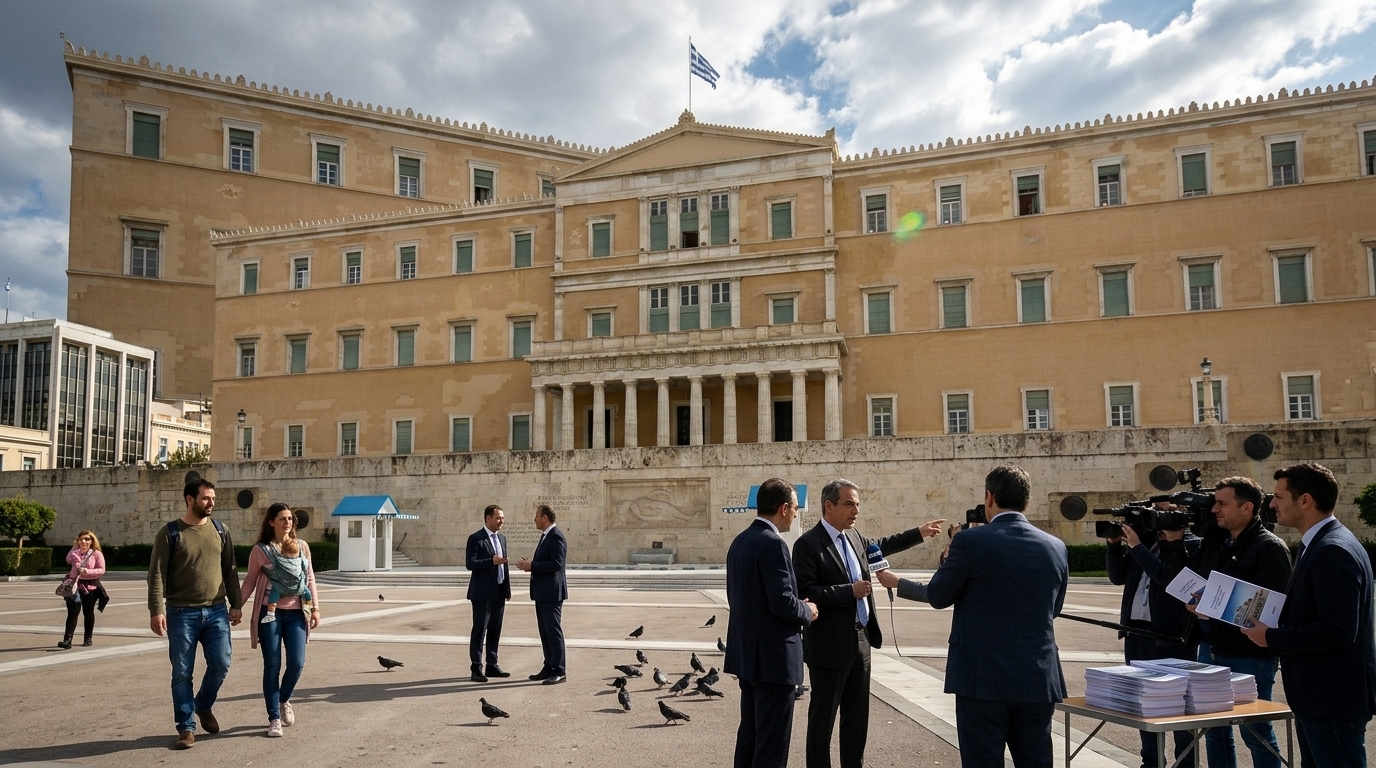
The Greek economy stands at a pivotal juncture, striving to solidify its position as one of the Eurozone's most resilient performers despite a global backdrop of heightened uncertainty. According to the latest report from the Hellenic Fiscal Council (HFC), the growth rate for the current year is projected at 1.9%. While this figure is slightly lower than previous, more optimistic forecasts, it remains significantly above the European Union average, highlighting the country's recovery momentum.
The Key Pillars of Growth
Greece's economic resilience is not accidental; it is built upon specific pillars that have been reinforced in recent years. The first and most traditional pillar remains tourism, which continues to break records in both revenue and arrivals. However, the HFC points out that over-reliance on tourism carries inherent risks, making the economy vulnerable to external shocks and climate-related disruptions.
The second pillar is the influx of capital from the Recovery and Resilience Facility (RRF). RRF-funded investments serve as the engine of domestic demand and digital transformation.
"The effective absorption and, more importantly, the rational allocation of Recovery Fund resources represent the only secure path toward transforming the country's productive model,"the report states. The focus is shifting from mere consumption to fixed capital investments that enhance long-term productivity.
Fiscal Discipline and Primary Surpluses
The HFC emphatically underscores that maintaining fiscal discipline is non-negotiable. Achieving primary surpluses is essential for the continuous reduction of the debt-to-GDP ratio, which in turn ensures the preservation of the investment-grade rating and lowers borrowing costs for both the state and private enterprises.
- Continued efforts to combat tax evasion through digitalization.
- Restraint in public spending without compromising social welfare.
- Enhancing transparency in public procurement.
- Strategic management of public debt to capitalize on low-interest rates.
Despite the improvement in public finances, the Council warns that complacency is the greatest enemy. New EU fiscal rules demand stricter expenditure controls, meaning the government will have limited room for social transfers or tax cuts that are not backed by permanent revenue streams.
Risks and Challenges on the Horizon
Despite the positive outlook, the HFC report does not shy away from addressing several risks. Inflation, although receding, remains stubborn in food and services, weighing heavily on household disposable income. Furthermore, geopolitical instability in Ukraine and the Middle East continues to inject uncertainty into energy prices and global supply chains.
Another significant issue is the labor shortage in critical sectors such as construction, tourism, and technology. The skills mismatch and the broader demographic challenge act as a drag on further growth acceleration. The HFC calls for faster structural reforms in the judiciary and public administration, as delays in the justice system remain one of the primary obstacles to attracting high-quality foreign direct investment (FDI).
Conclusion: Moving from Stability to Qualitative Growth
The 1.9% growth forecast is a vote of confidence in the Greek economy's endurance, but also a reminder of its limitations. The transition from a consumption-led economy to one driven by exports and high-value-added investments remains the ultimate goal. Fiscal prudence is not merely a requirement from Brussels; it is the nation's shield against future crises which, as history has shown, are always on the horizon.