

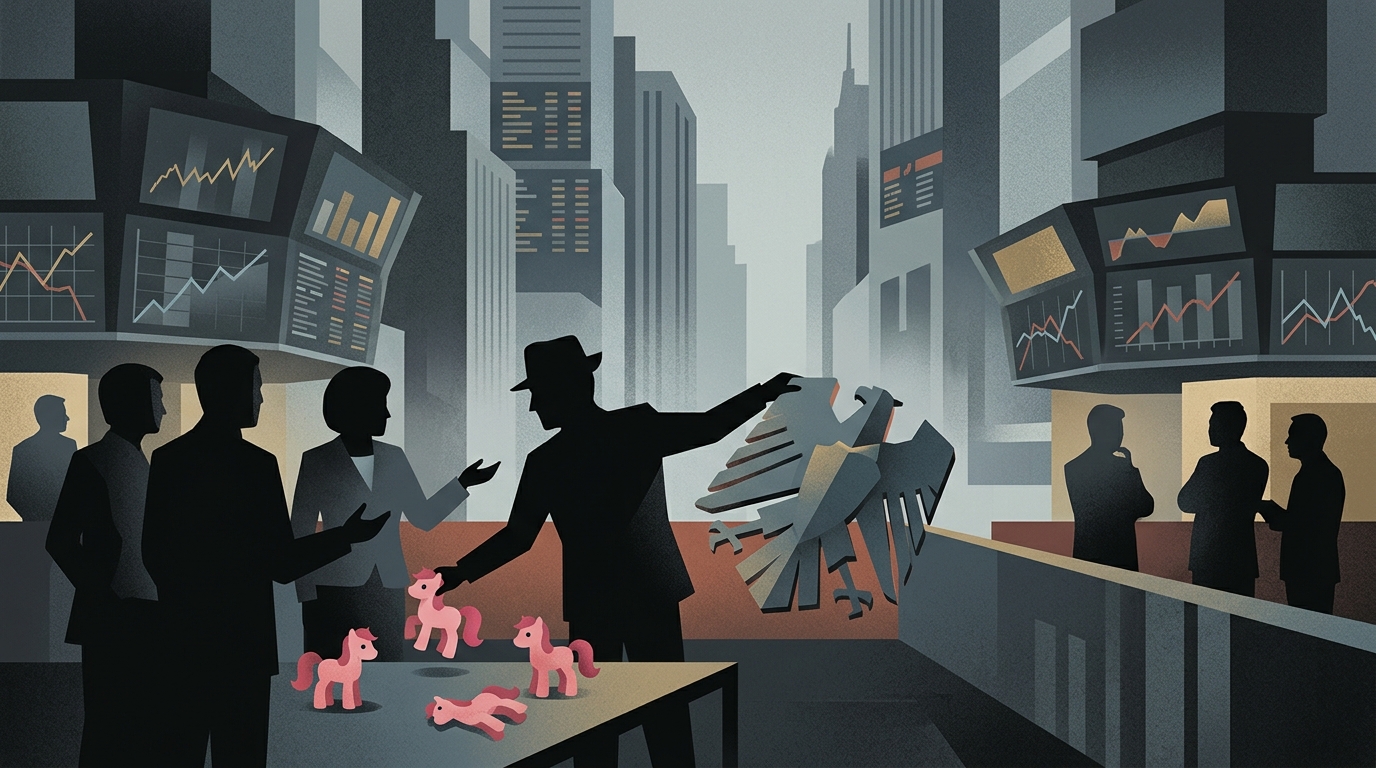
It was June 2026 when European diplomacy finally decided to drop the mask of globalization's "nice guy." The phrase echoing through the corridors of the European Commission—"We no longer live in a world of pink ponies and rainbows"—wasn't just a sharp soundbite; it was the formal declaration of a harsh new economic reality. The European Union, the traditional guardian of free trade, is now openly adopting tactics it once criticized in Donald Trump to stem the economic tide from the East.
The Arithmetic of Resentment: The 360 Billion Gap
Data released for 2025 and the first four months of 2026 is staggering. China's goods trade surplus with the EU hit a massive €360.6 billion in 2025, a 15% increase from the previous year. This trend hasn't just continued; it accelerated in 2026, with the gap widening by an additional 10% in the early months. For Brussels, this is no longer a mere statistic; it is an existential threat to European industry.
China, facing sluggish domestic demand and a persistent real estate crisis, has chosen to "export" its overcapacity. From electric vehicles (EVs) to wind turbines and medical devices, Chinese subsidies allow its companies to flood the European market at prices local producers cannot possibly match. Seeing the specter of deindustrialization looming, the EU has decided to fight fire with fire.
Copying the Trump Playbook
Europe's pivot toward protectionism is a historical irony. Years ago, European leaders vehemently criticized the U.S. use of "Section 301"—the law allowing unilateral tariffs for "unfair trade practices." Today, the EU is deploying its own arsenal, such as the International Procurement Instrument (IPI) and the Foreign Subsidies Regulation (FSR), in a manner strikingly reminiscent of Washington's approach.
- EV Tariffs: Following months of anti-subsidy investigations, the EU has imposed tariffs that in some cases exceed 30%, arguing that Chinese state support distorts fair competition.
- Green Tech Scrutiny: Chinese wind turbine and solar panel manufacturers are under the microscope, with Brussels threatening to bar them from public procurement contracts.
- Reciprocity Principles: The EU now demands the same level of access to the Chinese market that Chinese firms enjoy in Europe, threatening immediate retaliation if denied.
This "Trumpian" shift isn't just about tariffs. It represents a total overhaul of the concept of "economic security." Europe no longer views trade as a win-win arena but as a geopolitical chessboard where dependence on a strategic rival is a lethal risk.
The Chinese Response and the Risk of a Trade Nuclear Winter
Beijing is not standing idly by. Retaliation has already begun, targeting sensitive European sectors. Anti-dumping probes into European pork, dairy, and cognac are just the tip of the iceberg. For countries like France, Spain, and Greece, these moves could have severe repercussions on the agricultural sector.
"The era where Europe opened its doors without questions is over. If Beijing wants access to the single market, it must play by our rules, not theirs," a senior Commission official stated.
The risk of a full-scale trade war is now palpable. If China decides to restrict the export of critical raw materials (like rare earths), the European green transition could grind to a halt. Meanwhile, European automakers like Volkswagen and BMW, which depend heavily on Chinese sales, find themselves caught between a rock and a hard place.
Conclusion: The New Normal
2026 marks the end of an illusion. Europe has realized that the free market cannot survive when one player operates as a state-enterprise. Adopting the "Trump Playbook" is not a sign of admiration for the former U.S. president, but a move of desperation and survival. The world of "pink ponies" has been replaced by a world of hard borders, tariffs, and industrial espionage. The question is no longer whether a war will happen, but who can withstand the losses longer.





