

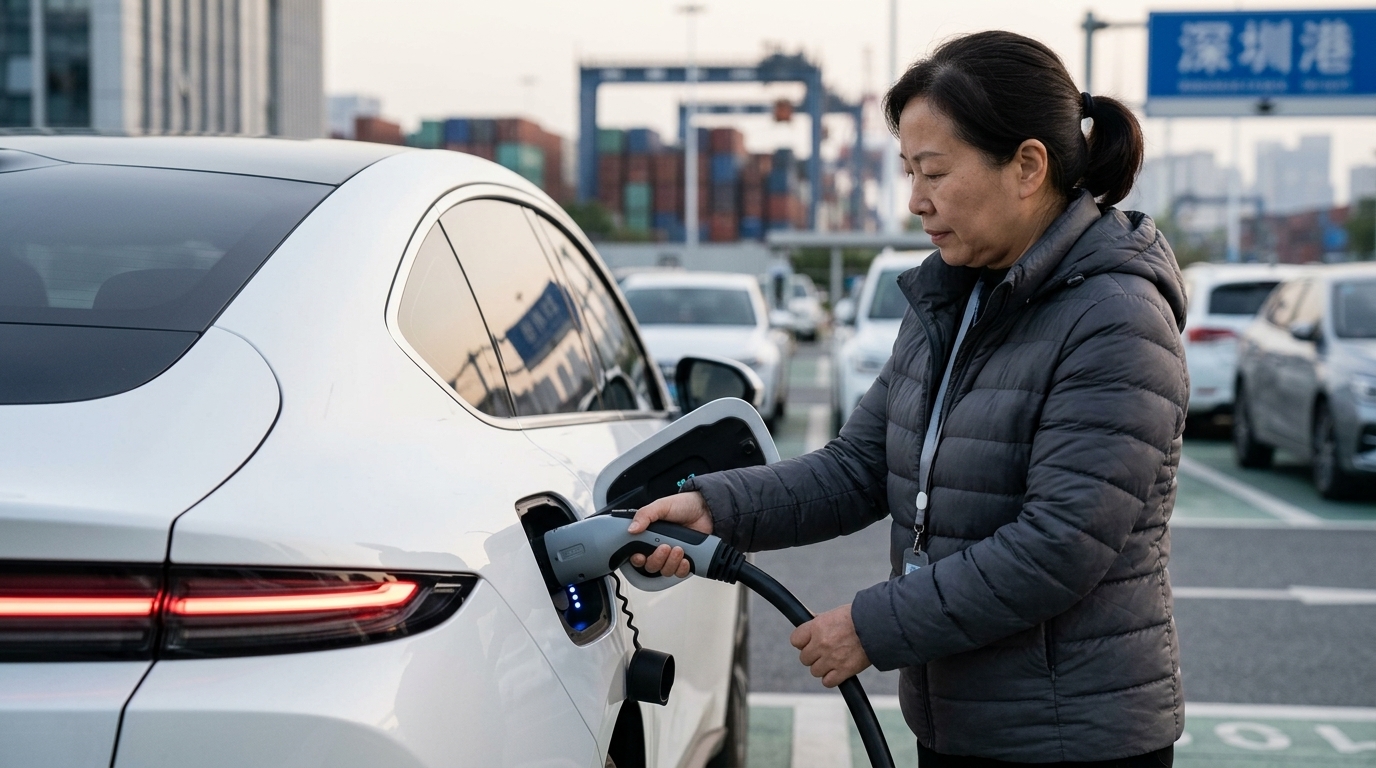
The global automotive industry is undergoing a tectonic shift, driven not only by environmental necessity but by the harsh geopolitical realities of energy markets. As oil prices remain volatile and inflationary pressures squeeze disposable income in the West, China has managed to turn energy insecurity into a formidable export advantage. The rise of Chinese Electric Vehicles (EVs) is no longer a distant threat; it is a present reality reshaping trade maps from Berlin to Sydney.
The Black Gold Catalyst
For decades, the price of oil was the primary indicator of the global automotive sector's health. However, recent fuel price instability, exacerbated by conflicts in Ukraine and the Middle East, has created permanent anxiety among consumers. This anxiety is acting as the most effective "salesperson" for electric vehicles. In China, manufacturers such as BYD, NIO, and Geely, having secured the battery supply chain, are now offering models that are not only environmentally friendly but economically unbeatable compared to traditional internal combustion engine (ICE) vehicles.
China’s strategy was not built on luck. For two decades, Beijing has systematically invested in battery technology and rare earth mineral mining. When gasoline prices skyrocket, the total cost of ownership for a Chinese EV becomes the strongest argument for the average European or Asian consumer. This shift has led to a spectacular surge in exports, with China now surpassing traditional powerhouses like Japan and Germany in EV sales volumes.
The European Response and the Tariff Dilemma
The rapid penetration of Chinese vehicles into the European market has sounded alarm bells in Brussels. The European Union, attempting to protect its own industries which employ millions, has launched investigations into state subsidies received by Chinese firms. However, the question remains: can tariffs stop a technological and economic superiority that is already well-established?
- Chinese companies enjoy production costs up to 30% lower than their European counterparts.
- Vertical integration allows China to control everything from lithium processing to end-user software.
- The energy crisis in Europe makes domestic battery manufacturing more expensive and slower to scale.
The irony of the situation is that Europe, in its quest to decouple from Russian gas and oil, risks entering a new dependency on Chinese clean energy technology. Consumers, pressured by the cost of living, often choose the cheaper and more efficient product regardless of its origin, putting protectionist policies to the test.
Beyond Economics: The Geopolitics of Mobility
Oil doesn't just fuel exports; it alters alliances. Countries in Southeast Asia and Latin America are pivoting toward Chinese EVs as their infrastructure is developed with Chinese assistance. This creates an ecosystem where Beijing exports not just cars, but charging standards, software, and digital services.
"The battle for dominance on 21st-century roads will not be decided by who has the best engine, but by who controls the electrons and the data," market analysts suggest.
In conclusion, the surge in Chinese exports is the result of a perfect storm: high oil prices, mature Chinese technology, and a West that was late to recognize the speed of the transition. A return to "normal" oil prices might slightly slow the process, but the trend is now irreversible. China is no longer following the developments; it is dictating them.





