

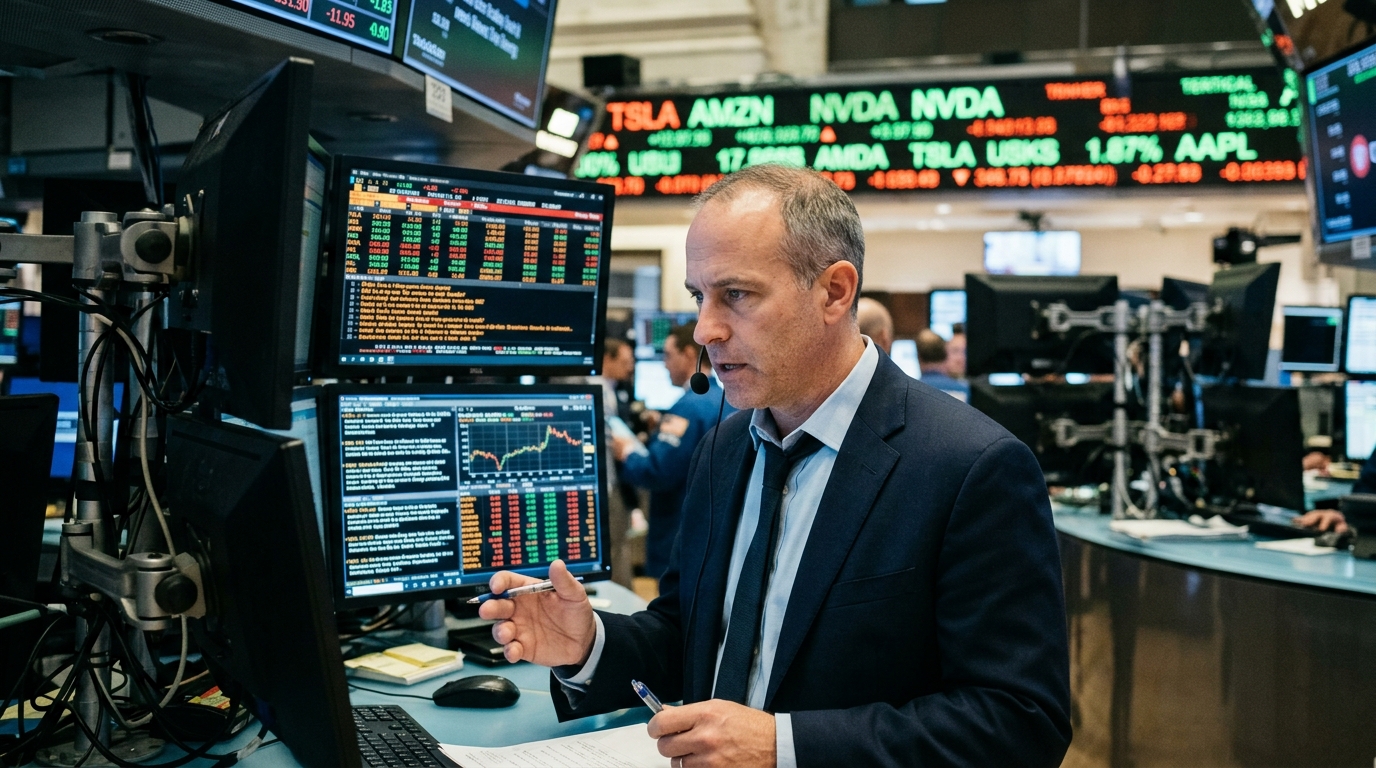
As we navigate the summer of 2026, the investment community is in a state of high excitement. The long-rumored initial public offering (IPO) of SpaceX—or potentially its Starlink subsidiary—has created an atmosphere reminiscent of Silicon Valley’s golden eras. However, a stark warning from Motley Fool analysts is making waves: selling top-tier Artificial Intelligence (AI) stocks to fund a position in Elon Musk’s aerospace empire could prove to be a strategic blunder with devastating long-term consequences for your portfolio.
The Lure of the Stars vs. AI Reality
The allure of space is undeniable. SpaceX has achieved the unthinkable, making reusable rockets a mundane reality and dominating satellite communications. But from an investment perspective, rotating out of a mature AI stock, such as Nvidia or Palantir, into a fresh IPO carries risks that retail investors often overlook. The AI stocks that have dominated the last three years are no longer just promises; they are cash-flow machines with massive profit margins.
According to current financial data, companies forming the backbone of AI infrastructure are showing growth rates rarely seen in enterprises of such scale. Selling these shares to enter an IPO, which is traditionally accompanied by high volatility and often an inflated initial price, is a classic case of "chasing the next big thing" at the expense of proven value.
Why Nvidia (and its Peers) Remain Untouchable
The argument against selling focuses on one key factor: the "moat." While SpaceX indeed possesses a significant technological advantage, AI leaders have managed to embed themselves into every facet of the global economy. In 2026, AI is no longer an experiment; it is the operating system of modern business. Companies providing the hardware and software for this transition have locked-in contracts and recurring revenues that SpaceX, with its massive Capital Expenditure (CapEx) for Mars missions, will likely struggle to match in terms of net profit anytime soon.
- Cash Flow Stability: Major AI firms now boast healthy balance sheets that allow for share buybacks and dividends.
- Opportunity Cost: Exiting a stock growing at 40% annually for an IPO with an uncertain profitability horizon is high-risk.
- Market Dominance: The AI ecosystem is now self-sustaining, whereas space remains highly vulnerable to geopolitical shifts and regulatory hurdles.
Investor Psychology and the Strategy of Patience
The history of IPOs is littered with examples of companies that "popped" with enthusiasm, only to see their price drop by 30-50% in the first six months as venture capitalists liquidated their gains. The risk for the average investor is selling an AI stock at a local bottom or during a healthy correction, only to buy SpaceX at the peak of the hype cycle.
"Investing is not about finding the next shiny object, but about staying with what consistently delivers," analysts note.
Instead of full replacement, experts suggest diversification. If an investor is desperate for space exposure, they should use new capital or liquidate positions in declining sectors, rather than weakening the "engine" of their portfolio: Artificial Intelligence. The convergence of AI and space tech is certain, but their economic dynamics differ radically at this stage.
Conclusions for 2026
In conclusion, SpaceX is undoubtedly one of the most important companies of our century. However, the stock market does not reward importance; it rewards profitability and earnings-per-share growth. The AI stocks that have survived and dominated since the first wave of 2023-2024 are the new "Blue Chips." Abandoning them for the glitter of an IPO is a move that requires extreme caution and, in most cases, is better left unmade.





