

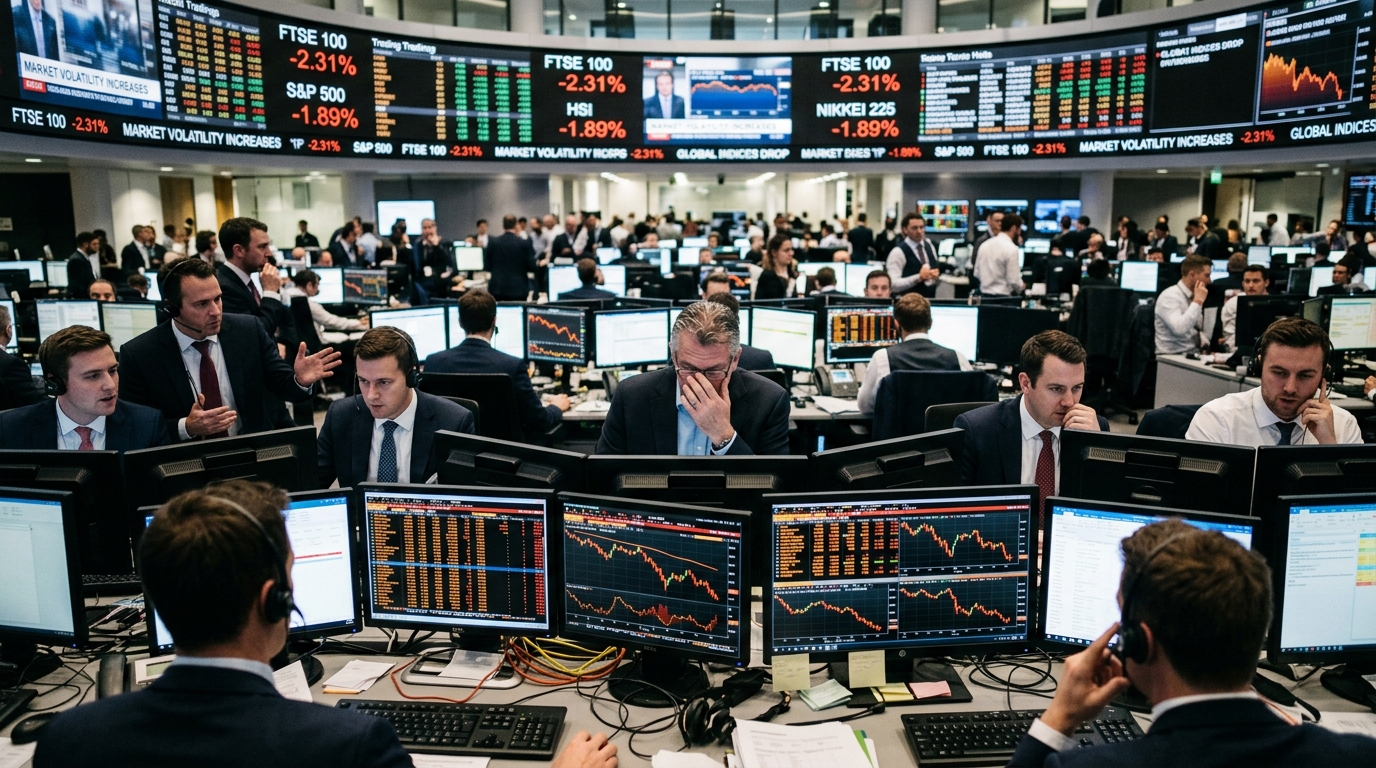
In the hushed corridors of luxury hotels where the architects of global monetary policy convene, the initial euphoria surrounding Artificial Intelligence (AI) is being replaced by a chilling sense of caution. The recent gathering of central bankers, highlighted in a sobering analysis by Gizmodo, failed to provide the reassuring certainty markets were craving. Instead, it exposed a widening chasm between stock market exuberance and tangible economic productivity, echoing the fraught atmosphere preceding the dot-com crash of the early 2000s.
The Decoupling of Valuation and Reality
The central theme dominating the discussions was the alarming concentration of capital within a handful of technology titans. Central bankers, traditionally conservative in their outlook, expressed fears that current valuations for AI-related firms are built on assumptions of future profitability that may never materialize. As noted during the sessions, while investment in infrastructure—data centers, semiconductors, and energy grids—is measured in the hundreds of billions, the actual adoption of AI by enterprises to generate real profit remains in its infancy.
The concern isn't merely whether the technology works, but whether it can deliver the returns required to justify current share prices. If profitability lags behind the massive capital expenditures (CAPEX), the resulting market correction could be violent, impacting not just the tech sector but pension funds and global investment portfolios at large.
The Specter of a 'Minsky Moment'
A term frequently whispered during the summit was the 'Minsky Moment'—the point where a prolonged period of speculative euphoria leads to a sudden collapse in asset values. Central bankers are worried that AI has created a self-reinforcing cycle of debt and investment. Companies are borrowing vast sums to procure specialized hardware, chipmakers are reporting record revenues, and stock prices soar, fueling even more borrowing and investment based on paper gains.
- Market over-concentration makes the entire financial system vulnerable to single-point failures.
- The energy requirements of AI represent a 'hidden' inflationary pressure that banks are struggling to quantify.
- Potential disappointment in productivity gains could trigger a massive flight of capital from the sector.
The Monetary Policy Dilemma
For the European Central Bank and the Federal Reserve, AI is a volatile variable. On one hand, the promise of increased productivity could help dampen inflation in the long run. On the other, the asset bubble creates 'wealth effects' that stimulate consumption and, consequently, current inflationary pressures. Policymakers are trapped in a dilemma: do they raise interest rates to deflate the bubble, risking a recession, or do they wait, risking a much larger systemic collapse later?
"Artificial intelligence is a transformative force, but markets tend to price in decades of transformation within a matter of months," noted one participant at the meeting.
In conclusion, the meeting sent a clear signal: the era of 'free' growth driven by AI hype is reaching its limit. Central bankers are bracing for a bumpy landing as economic reality is forced to catch up with Silicon Valley's lofty expectations. For the average observer, this serves as a reminder that the next financial crisis might not originate in traditional banking or real estate, but in the very algorithms promised to revolutionize the global economy.





