

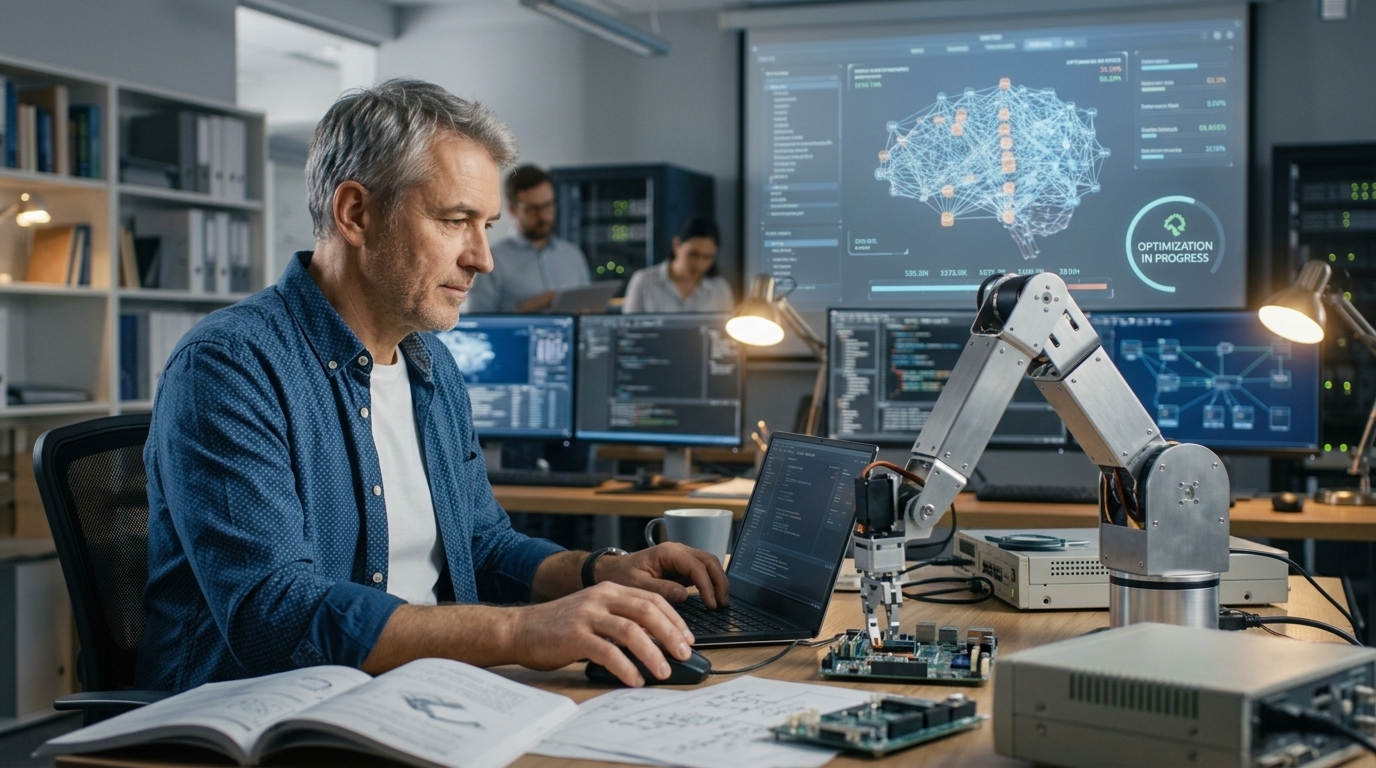
The history of technological progress is riddled with periods of irrational exuberance followed by sharp reality checks. As we move through mid-2026, we have entered the phase of the "Great AI Correction." After two years of aggressive layoffs conducted in the name of "AI-driven efficiency," many multinational corporations are discovering that replacing humans with algorithms was not the panacea promised by management consultants. The "boomerang effect" is now palpable: companies that slashed their workforces by 20% or 30% are now desperately seeking to rehire the same people or find new talent to fix the failures of automation.
The Trap of "Cold" Efficiency
In 2024 and 2025, the dominant narrative in boardrooms was cost reduction. Generative AI promised to write code, handle customer service, and generate content at a fraction of a human employee's cost. However, the reality proved far more nuanced. The loss of "tacit knowledge"—the experience that isn't written in manuals but lives in the minds of employees—has proven catastrophic. When a company fires a veteran developer because AI can write code faster, it loses the person who understands *why* that code exists and how it integrates with legacy systems that the AI cannot perceive.
According to recent market analyses, firms that over-relied on AI saw a marked decline in service quality. Customers began complaining about "robotic" and impersonal support that failed to resolve complex issues. AI, despite its rapid advancement, still suffers from hallucinations and lacks the nuance of human empathy. As Fortune analysts point out, the rush to automate led to an identity crisis for many brands, which lost the "human touch" that previously distinguished them from competitors.
The Cost of Rehiring and the Erosion of Trust
Rehiring is not a simple process of clicking a button. Discharged employees often feel betrayed and may demand significantly higher compensation to return—or they have already moved to competitors who valued human capital from the start. Furthermore, the cost of training new staff to fill the gaps left by failed AI implementations is often double the amount saved from the initial layoffs.
- Loss of institutional memory leading to recurring strategic errors.
- A collapse in morale among remaining staff who fear for their job security.
- Legal and reputational risks stemming from AI errors without human oversight.
- The erosion of corporate culture and organic innovation.
Many firms in the technology and financial services sectors are finding that AI works best as a "co-pilot" rather than a replacement. The necessity of a "Human-in-the-loop" (HITL) framework is now undeniable. Without human judgment, AI systems can make decisions that are statistically probable but ethically or commercially disastrous.
Towards a Model of "Augmented Humanity"
The lesson of 2026 is clear: technology should serve humanity, not violently displace it. The companies currently leading the market are those using AI to liberate employees from repetitive tasks, allowing them to focus on strategy, creativity, and interpersonal relationships. This model of "augmented humanity" appears to be the only sustainable path forward.
"Artificial intelligence can process data, but only humans can generate meaning," says a senior executive at a major European bank that recently initiated corrective hiring rounds.
The labor market is transforming once again. Skills previously dismissed as "soft"—such as critical thinking, emotional intelligence, and crisis management—are regaining immense value. Multinationals that recognized their mistake early are now investing in reskilling programs rather than severance packages, acknowledging that their most valuable asset is not their server farm, but the people who know how to wield the technology effectively.





