

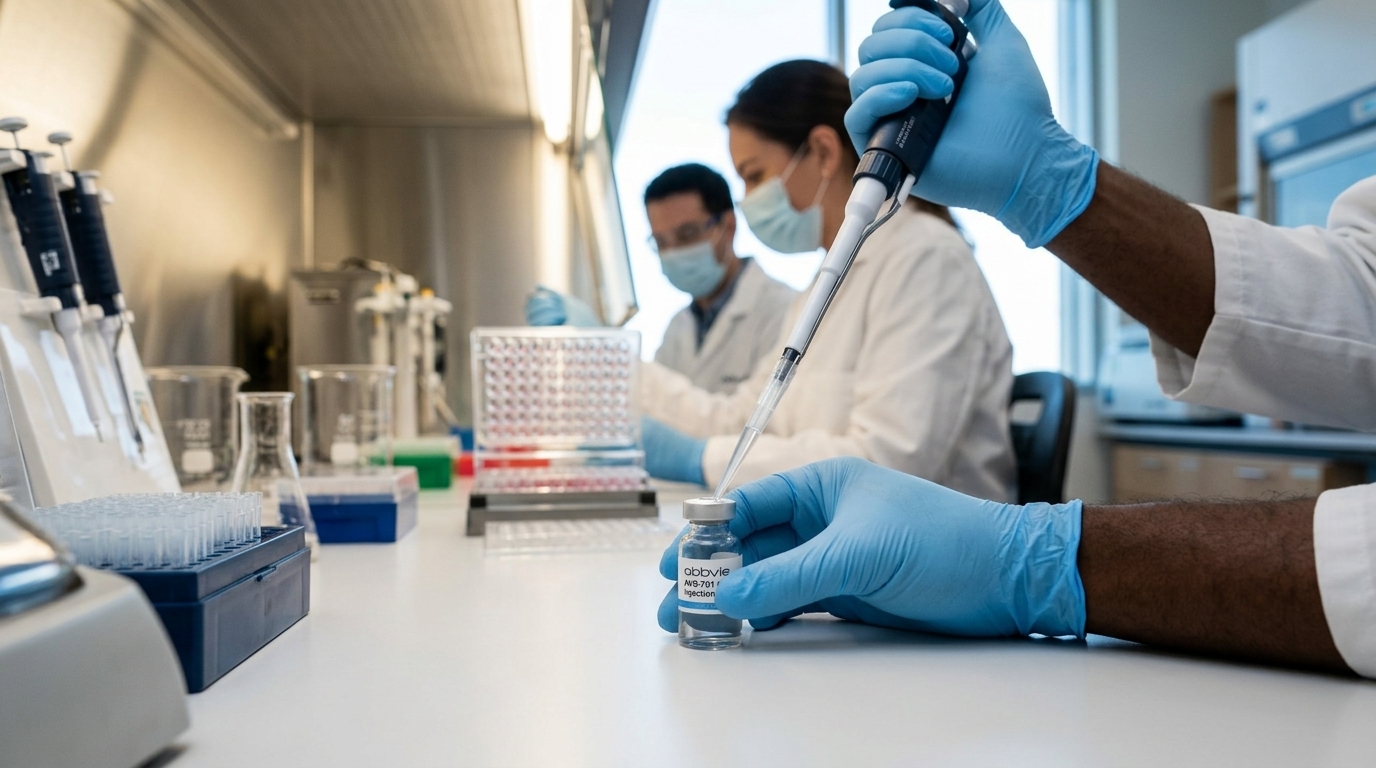
In a move that reshapes the map of the global biopharmaceutical market, AbbVie has announced the acquisition of Apogee Therapeutics for a staggering $10.9 billion. This deal is not merely another business transaction; it is a strategic necessity for a giant striving to maintain its leadership in immunology as the once-invincible Humira faces stiff competition from biosimilars.
The Strategy Behind the Billions
Illinois-based AbbVie has spent much of the past decade preparing for the moment Humira, the world's best-selling drug for years, would lose its patent protection. Although its newer products, Skyrizi and Rinvoq, have performed exceptionally well, the company's management recognizes that innovation in immunology never stands still. The acquisition of Apogee Therapeutics provides AbbVie with access to a new generation of biologics that promise not only greater efficacy but also significantly improved patient convenience.
The centerpiece of the deal is APG777, an investigational monoclonal antibody targeting interleukin-13 (IL-13). APG777 is designed to treat atopic dermatitis and other inflammatory conditions. What makes it the "crown jewel" of Apogee is its long half-life, which could allow for dosing every three or even six months, in contrast to the more frequent injections required by current therapies.
Market Reaction and Competition
Wall Street analysts view the deal as an aggressive but rational move. The $10.9 billion price tag reflects a significant premium over Apogee's market value, suggesting that AbbVie sees immense potential in the Phase 2 data expected shortly. However, the path is not without obstacles. The atopic dermatitis market is already saturated with powerful players like Sanofi and Regeneron's Dupixent.
"This acquisition shows that AbbVie is not content with playing defense. With Apogee, it is building a wall of innovation that will be difficult for competitors to breach over the next decade," says a leading healthcare industry analyst.
Furthermore, Apogee brings APG808 to the table, an antibody targeting IL-4Rα for chronic obstructive pulmonary disease (COPD). Expanding into respiratory ailments further diversifies AbbVie's portfolio, reducing its reliance on rheumatology and dermatology.
Financial Implications and Future Outlook
From a financial perspective, AbbVie is utilizing its strong cash reserves to buy time and market share. The deal is expected to close in the third quarter of 2026, subject to customary regulatory approvals. Despite the high cost, company management assured investors that the acquisition would be accretive to earnings per share in the medium term as new therapies enter the market.
In a broader context, this move highlights a trend in the biotech industry: Big Pharma companies prefer to acquire ready-made, promising platforms rather than relying solely on internal research and development (R&D). The speed at which antibody technology is evolving makes the acquisition of specialized firms like Apogee the most efficient way to maintain competitiveness.
- Strengthening the immunology portfolio with next-generation biologics.
- A strategic response to declining revenue from Humira.
- Focus on therapies with less frequent dosing schedules to improve patient quality of life.
- Expansion into the atopic dermatitis and COPD markets.
In conclusion, AbbVie's acquisition of Apogee Therapeutics is a statement of power. In an era where regulators are pushing for lower drug prices and patents are expiring, investing in cutting-edge science remains the only viable path for growth. For patients, this deal promises new options that could radically change the management of chronic and debilitating conditions.





