

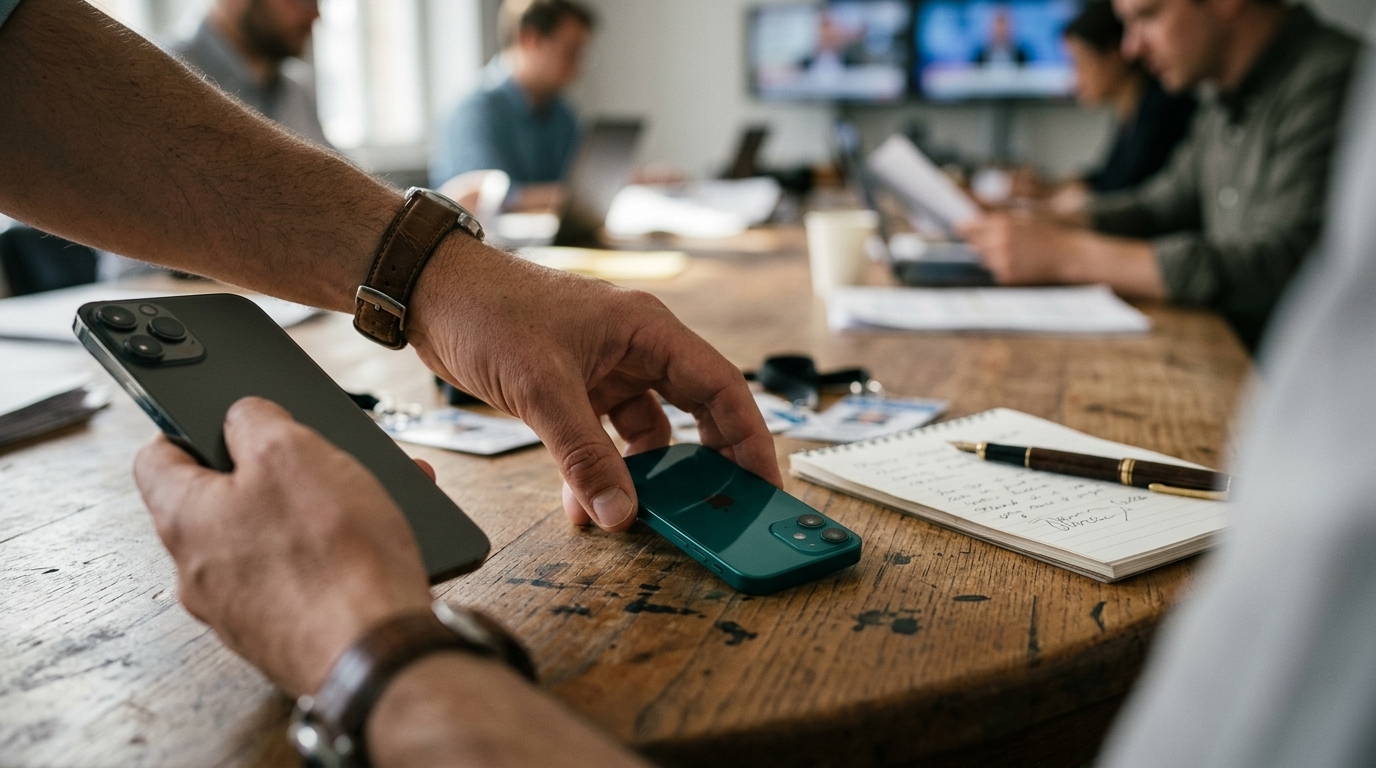
It was a relationship built on ergonomics, elegance, and an almost anachronistic belief that a phone should fit in the palm of your hand without requiring thumb gymnastics. The iPhone 13 Mini, the last of Apple's "small" flagships, wasn't just a device; it was a statement of resistance against the gigantism of screens consuming our leisure time. Today, however, in May 2026, the reality is stark. Even the most loyal fans of the compact form factor are forced to admit the inevitable: the era of the small phone is over.
The Tyranny of Content Consumption
Why did we fail to keep the Mini alive? The answer lies not in a lack of innovation from Apple, but in how our daily digital lives have mutated. In 2021, when the 13 Mini launched, TikTok was already dominant, but it hadn't yet imposed total control over every app's interface. Today, every social network, news site, and streaming platform is designed to occupy every available pixel of a large screen.
Trying to watch high-resolution video or edit a document on a 5.4-inch screen now feels like trying to read the London Times through a keyhole. Eye strain and typing difficulties are no longer acceptable trade-offs for portability. Apps have become heavier, graphics more demanding, and information more dense, turning the Mini into a beautiful but dysfunctional mirage of the past.
The Energy Deadlock and the Ravages of Time
The biggest thorn in the Mini experience was always the battery. In the natural environment of 2026, where 5G networks (and initial 6G trials) demand massive energy reserves and AI algorithms run constantly in the background, the 13 Mini's small cell simply cannot keep up. After years of use, the chemical aging of the lithium components has turned the phone into a device requiring "life support" from power banks twice a day.
- Battery capacity is insufficient for the modern demands of generative AI.
- Thermal management in such a small chassis leads to performance throttling during intensive tasks.
- Apple has shifted its focus to 'Plus' and 'Max' models, offering battery life the Mini could never dream of.
Apple's Strategy and Harsh Economic Reality
Let's not kid ourselves: Apple stopped producing the Mini because the numbers didn't add up. Despite the voices of a vocal minority on tech forums, Mini sales represented a meager percentage of total iPhone revenue. The average consumer in China, the US, and Europe voted with their wallets in favor of the larger screen, forcing the Cupertino giant to replace the Mini with the iPhone 14 Plus and its successors.
"The Mini was the perfect phone for a world that no longer exists. A world where the phone was a communication tool rather than our primary entertainment hub."
The shift toward larger models allowed Apple to increase its average selling price (ASP) and profit margins. Larger devices justify higher prices, while the cost of a larger display is not proportionally that much higher. For Apple, the Mini was an experiment that proved the "romance" of the small device does not translate into mass-market profitability.
Is There a Future for Compact Phones?
Is this the definitive end? Perhaps not. Hope for compact device enthusiasts is now shifting toward foldables. Devices that fold to the size of a Mini but unfold into a massive workspace may be the only solution to the portability paradox. Until then, however, the iPhone 13 Mini remains a relic of an era when technology tried to fit into our lives, rather than occupy them entirely.





