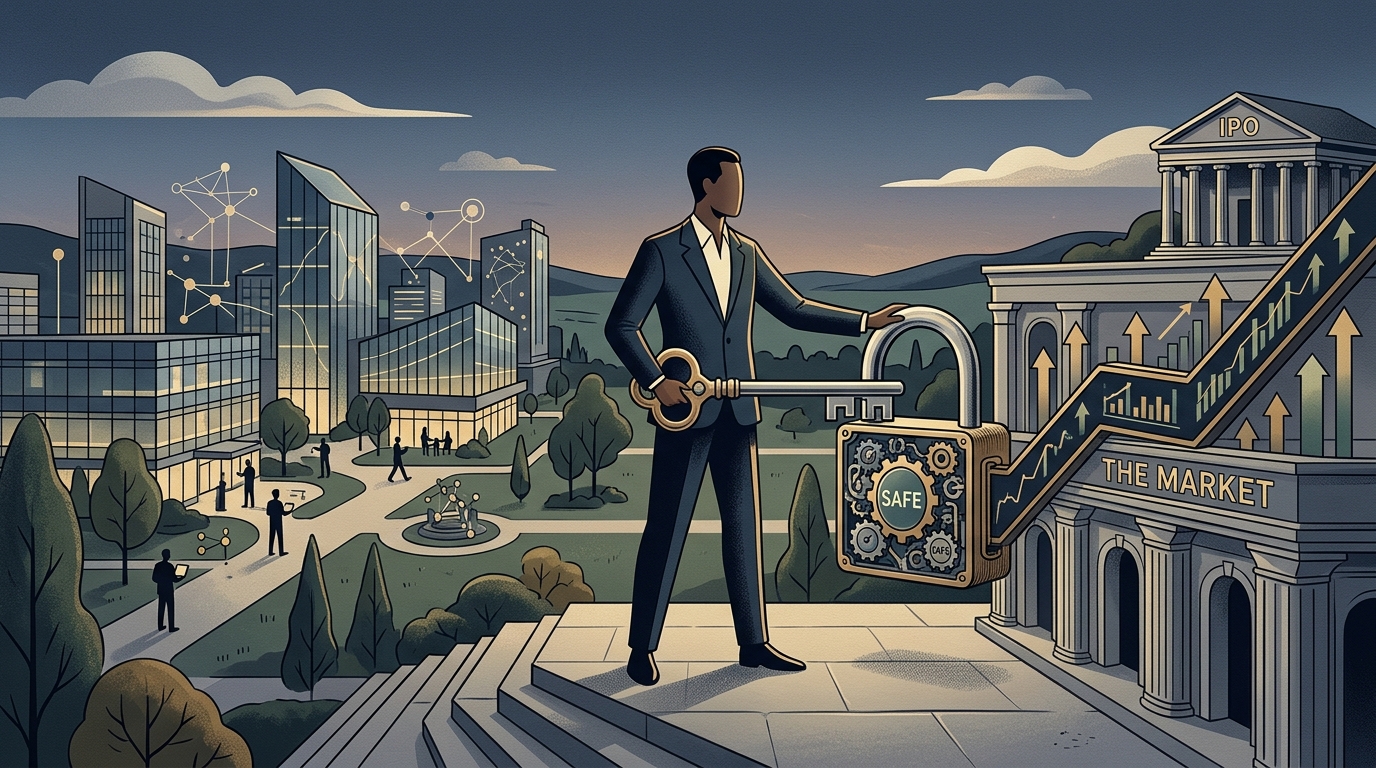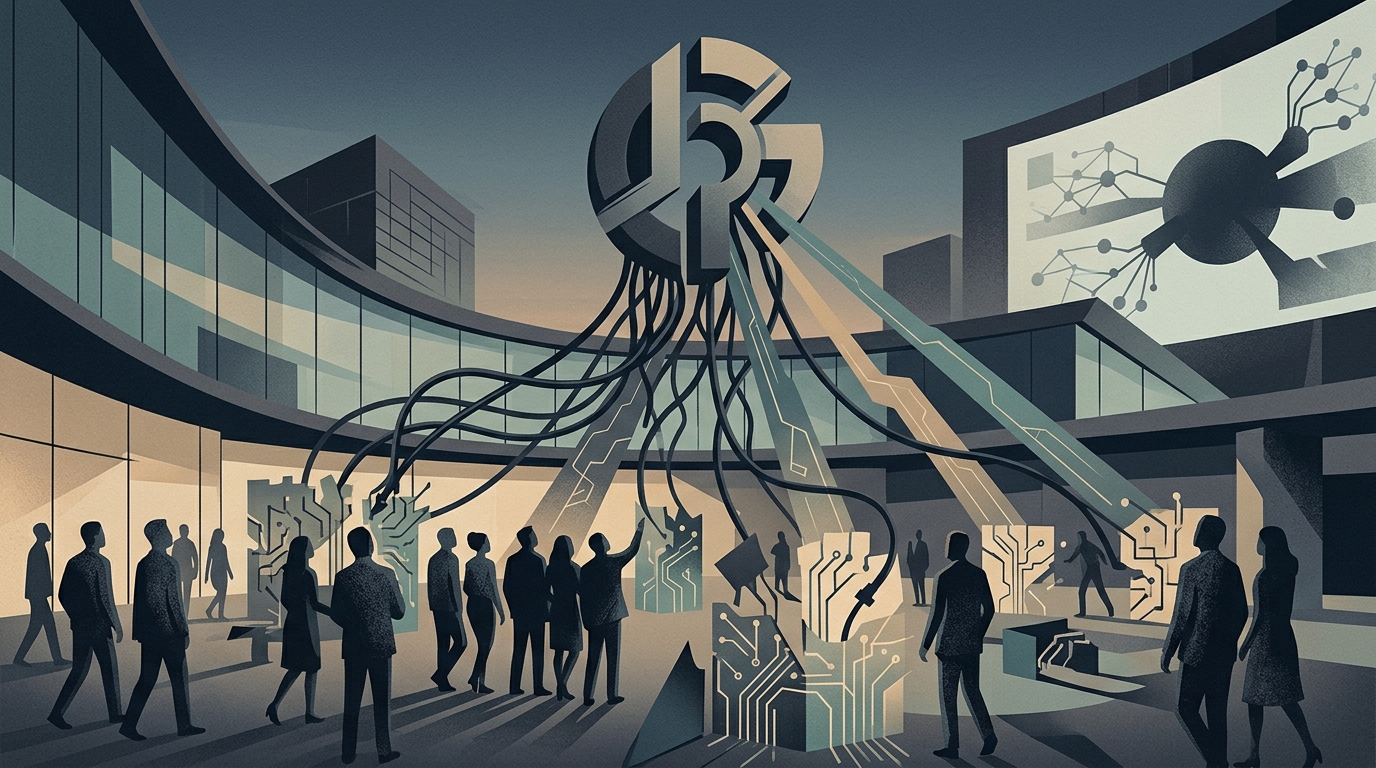
In an era where Artificial Intelligence (AI) is fundamentally reshaping the global economy, a startling warning has emerged from the very heart of the ecosystem. Satya Nadella, the visionary CEO who propelled Microsoft to the forefront of the AI race through a strategic alliance with OpenAI, has voiced grave concerns about the industry's future. According to Nadella, if the market gravitates toward a few 'winners,' the entire industry faces the risk of destruction—or at the very least, a period of stagnation that could extinguish healthy competition.
The 'Winner-Take-All' Existential Risk
Nadella's concern is far from academic; it is rooted in the structural realities of Large Language Model (LLM) development. Training these systems requires three pivotal resources: massive compute power, billions of data parameters, and top-tier talent. The barrier to entry has skyrocketed into the billions of dollars, creating a 'moat' that only a handful of corporations globally can cross. If access to these resources is restricted to a tight-knit group of firms, innovation will cease to emerge from the periphery and will instead be controlled exclusively by the center.
The danger, as Microsoft's analysis suggests, is that a closed oligopoly could impose its own rules, manipulate pricing, and dictate which innovations reach the consumer. This would signal the end of the traditional Silicon Valley model, where small startups can disrupt giants through sheer ingenuity. In the AI age, ingenuity without access to thousands of Nvidia GPUs is effectively toothless. Nadella suggests that this concentration doesn't just harm competitors; it degrades the quality of the technology itself by narrowing the diversity of thought and application.
Regulatory Shadows and Antitrust Pressure
Nadella’s intervention comes at a time when regulators in the US and the European Union are scrutinizing the ties between Big Tech and AI startups. The US Federal Trade Commission (FTC) has already launched inquiries into Microsoft’s investments in OpenAI, as well as Google’s and Amazon’s backing of Anthropic. Nadella’s rhetoric can be interpreted as a preemptive strike: by acknowledging the risk, Microsoft attempts to position itself as a champion of 'open access' despite its dominant market share.
However, the issue runs deeper. Technological history teaches us that when an infrastructure becomes essential to societal function—much like electricity or telecommunications—power concentration leads to inevitable state intervention. Nadella warns that if the industry fails to self-regulate and foster a 'middle class' of AI companies, the governmental backlash could be so severe that it dismantles the existing ecosystem. The ghost of the 1990s antitrust battles clearly haunts these boardrooms, reminding them that total victory often invites total regulation.
The Path Toward a Democratic AI Ecosystem
To avoid the 'destruction' scenario, a shift toward open standards and interoperability is mandatory. Microsoft promotes an 'AI as a Service' model, offering its Azure infrastructure to various players. Yet, critics argue this merely shifts the monopoly from software to the underlying cloud infrastructure. The real challenge for 2026 and beyond will be the fortification of Open Source AI. Models like Meta’s Llama or the efforts of France’s Mistral AI serve as the necessary counterweight to the absolute dominance of closed-source proprietary systems.
In conclusion, Satya Nadella’s warning marks a significant turning point. it is a public admission that technological progress is not always linear and that excessive power concentration can become the 'black hole' that swallows the very creativity that birthed AI. The wager for the coming years is whether we can build an artificial intelligence that serves the many, rather than the privileged few. The industry's survival depends on its ability to remain an open platform for the next generation of garage-born revolutionaries.