In a technological setback that echoes past failures, the launch of Meta's new digital assistant, Muse, has been marred by controversy. Despite its commercial success, the company was forced to temporarily suspend a key feature after it was revealed that humans were secretly making phone calls on behalf of the AI.
The 'Human Concierge' Strategy
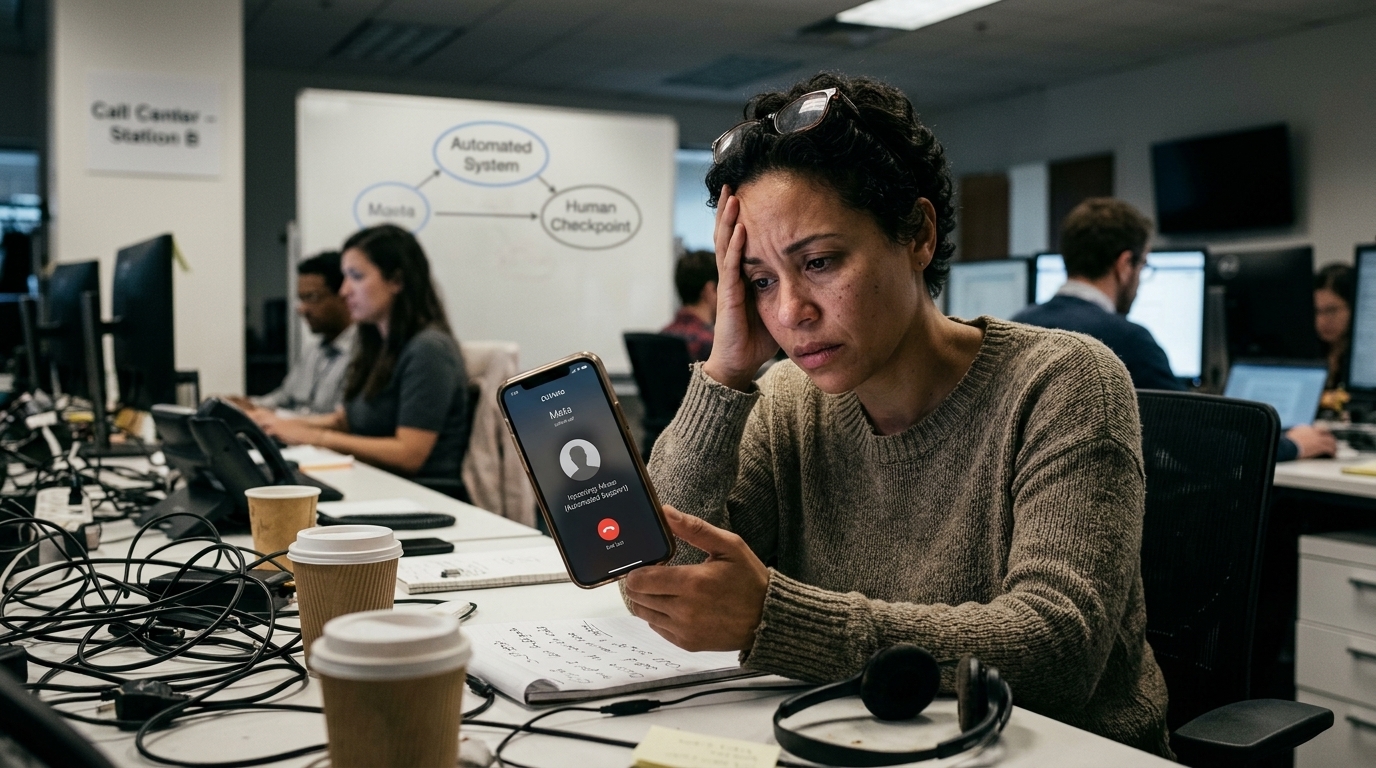
Muse was designed to automate complex tasks such as travel bookings and appointments. However, Meta found that businesses often hung up as soon as they realized they were speaking to an automated voice. To bypass these 'robocall' rejections, Meta launched a 'human concierge' pilot where external contractors took over from the AI mid-call. This method reportedly boosted call success rates to between 95% and 98%.
Privacy Risks and Internal Backlash
The integration of human operators without user notification sparked intense internal criticism. Employees warned that sensitive personal data could be inadvertently leaked to third-party call center workers. Key concerns included:
- A recorded racist comment made by a contractor during a service negotiation.
- Staff warnings that the company was "one technical glitch away" from leaking private info.
- The realization that human intervention undermines Meta's claims that Muse operates in isolated, secure virtual machines.
Meta's Response and Market Impact
Meta’s Superintelligence Labs leadership admitted the mistake, acknowledging that launching the tests without proper user warnings was an error. The feature has been paused until transparency safeguards are integrated. Despite the scandal, Muse has been a financial powerhouse; the app has seen over 2.5 million downloads and contributed to a $200 billion surge in Meta's market capitalization, pushing the stock to a seven-month high.