

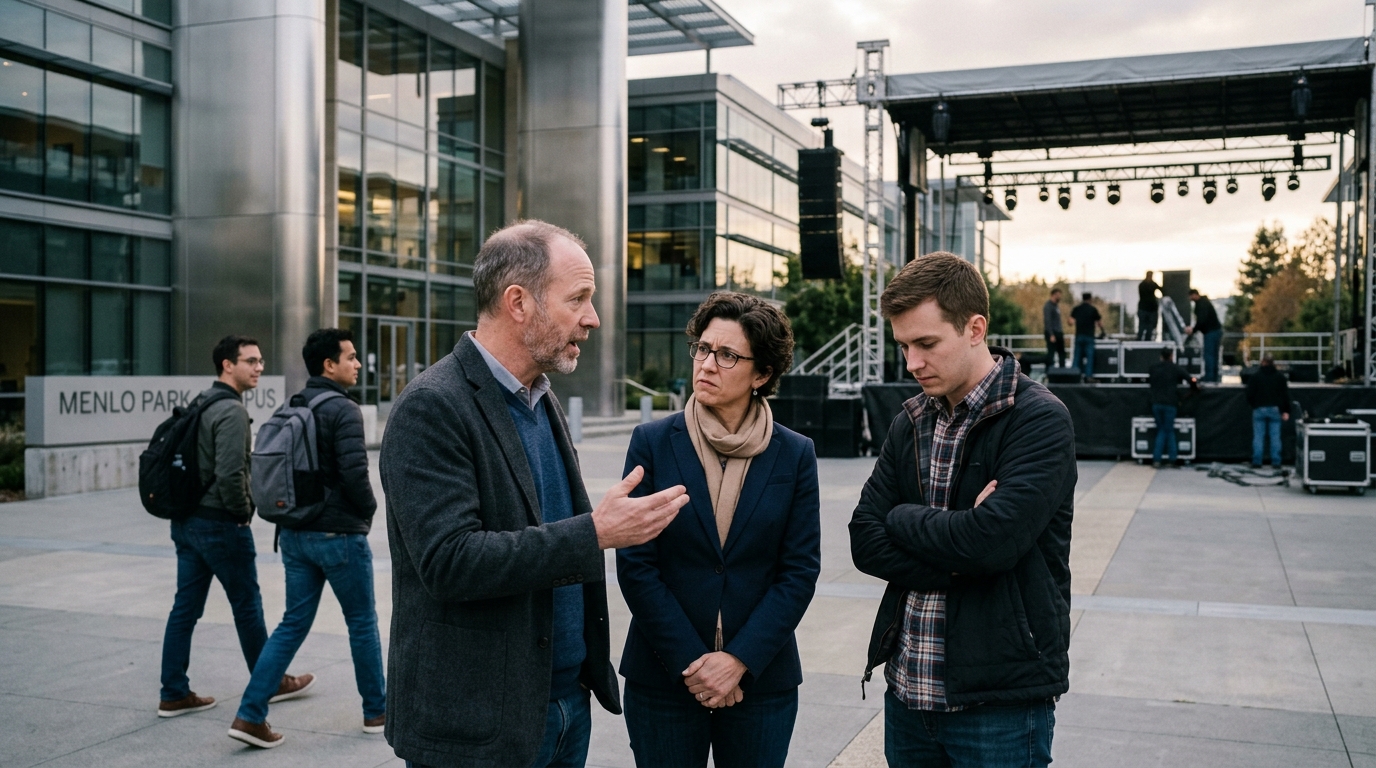
In a move that underscores the brutal reality of the new AI economy, Meta Platforms Inc. is proceeding with a fresh wave of layoffs, despite record-breaking profits and stock prices. Mark Zuckerberg, who once declared 2023 the "Year of Efficiency," appears to be making this philosophy a permanent operational standard. The decision to eliminate thousands of jobs is no longer a sign of financial distress, but a strategic pivot to fund an unprecedented $135 billion investment in AI infrastructure.
The Strategy of "Surgical" Downsizing
Unlike the broad, horizontal cuts of the past, Meta's recent layoffs are being described as "surgical." They primarily target departments deemed less critical to the future of artificial intelligence, including specific teams within Instagram, WhatsApp, and Reality Labs. The logic is simple yet relentless: every dollar saved from the salary of a middle manager or a legacy app developer is directly reinvested into purchasing NVIDIA H100 GPUs and constructing massive data centers.
Meta isn't just trying to survive; it's trying to dominate. With the development of its Llama models, the company has positioned itself as the primary champion of open-source AI, a move that requires astronomical capital for research and development. Wall Street analysts estimate that the company's capital expenditure (CapEx) will continue to climb as the race for AGI (Artificial General Intelligence) allows for no delays.
The Human Cost in the Age of Algorithms
News of the layoffs has sparked intense reactions within Silicon Valley. The sense of job security, once taken for granted at tech giants, has evaporated. Meta, much like Google and Amazon, is mutating from a company that "collects talent" into a machine that demands highly specialized skills in AI and machine learning.
- Restructuring teams for faster decision-making.
- Shifting focus from the Metaverse to generative AI applications.
- Tightening performance metrics to trim redundant staff.
This transition creates a paradox: while the company lays off thousands, it simultaneously offers multi-million dollar compensation packages to lure top AI researchers away from competitors. It is a "war for talent" where the middle class of software engineering appears to be the biggest loser.
The Geopolitics of $135 Billion
The $135 billion investment isn't just about software; it's about dominating physical infrastructure. Meta is building its own custom silicon (MTIA) to reduce reliance on NVIDIA and investing in energy grids to power its data centers. In a world where computational power translates to geopolitical influence, Zuckerberg is playing the "sovereign infrastructure" card.
"We are no longer just building apps. We are building the cognitive layer of the digital world," said a company executive who requested anonymity.
However, the question remains: can a company sustain innovation when its workforce lives in fear of the next "restructuring"? Tech history has shown that corporate culture is the hardest thing to fix once it cracks. Meta is betting that AI supremacy will overshadow any wounds to its internal morale.
Conclusion: The New Normal
The layoffs at Meta are a harbinger of a broader industry shift. The era of "free growth" and endless employee perks is over. In its place comes an era of extreme efficiency, where humans must prove their value against algorithms they helped create. The $135 billion gamble is the largest of Zuckerberg's career, and the human cost is, for now, a price he is willing to pay.





