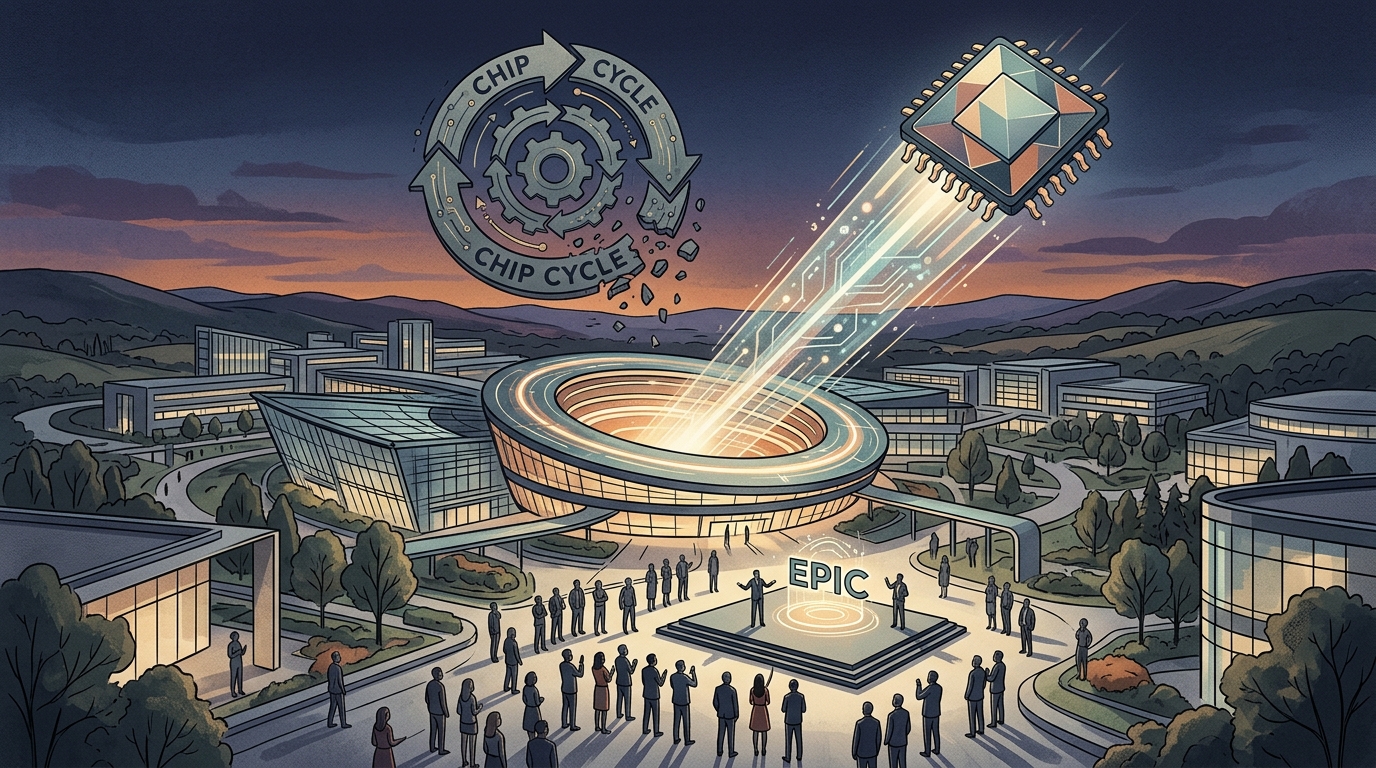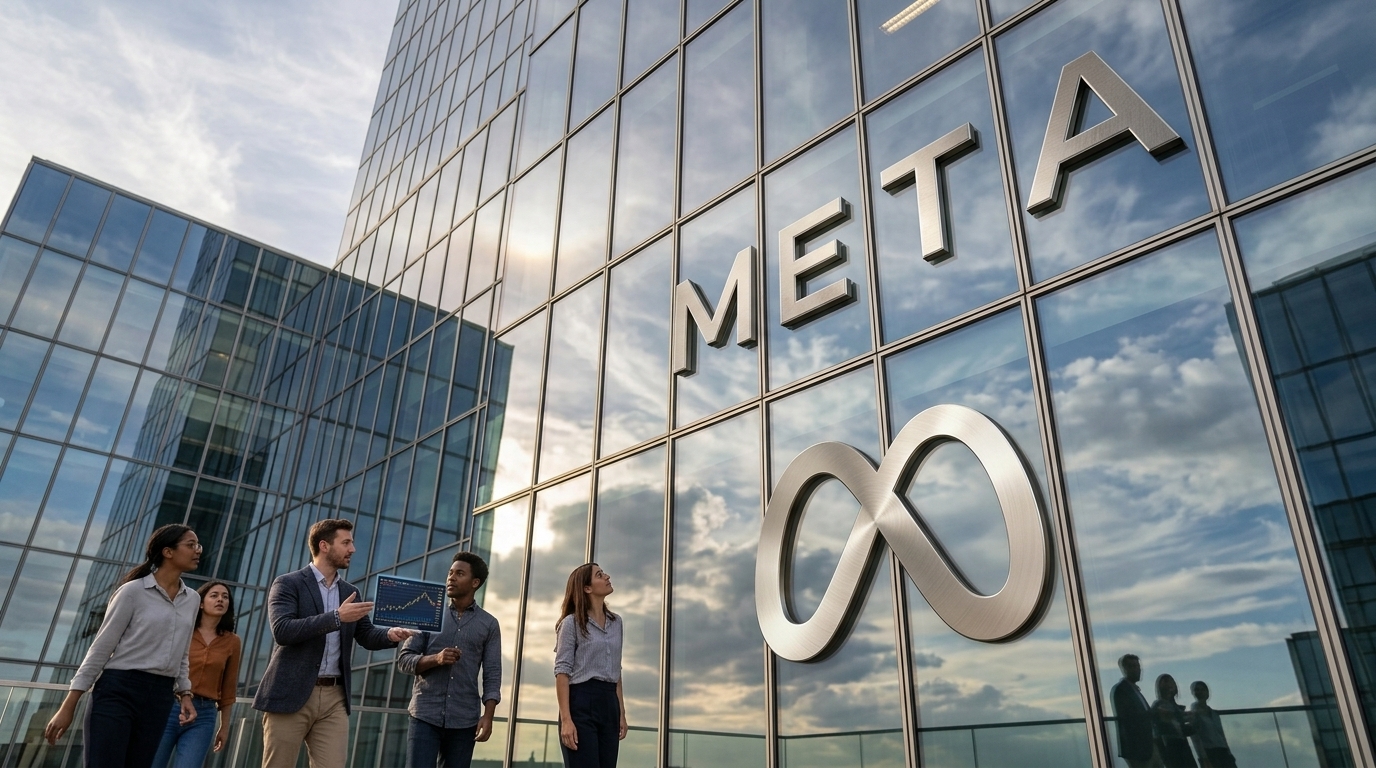
In an era where traditional news consumption is in decline and the search for "objective truth" is shifting from journalists to markets, Meta is preparing its own strategic response. The news regarding the development of the "Arena" application is not merely an attempt to add another feature to the company's already bloated ecosystem. It is a calculated move targeting the heart of the new attention economy: prediction markets.
The Rise of Prediction Markets and the Polymarket Effect
To understand why Mark Zuckerberg is pivoting in this direction, one must look at the meteoric success of platforms like Polymarket. During recent election cycles and major geopolitical crises, these markets often proved more accurate than traditional polling. The underlying principle is simple: when people put their money (or even their social reputation) on the line, they tend to be more honest and rigorous in their assessments than when responding to a survey.
Meta, with its advantage of billions of users, sees "Arena" as an opportunity to capitalize on this trend. Instead of users arguing endlessly in the comments of Facebook or Threads about who will win the Oscars or the future path of inflation, they will now be able to "bet" on their convictions. This transforms passive content consumption into an active, competitive, and potentially lucrative experience.
"Arena": Gaming or Gambling?
The primary question surrounding the project is its legal nature. In the United States and Europe, gambling regulations are notoriously strict. Meta appears to be pursuing a "gamification" route, likely utilizing virtual currencies or reputation points instead of direct monetary wagering, at least initially. However, the infrastructure being built could easily be converted into a full-fledged derivatives market if the regulatory environment shifts.
"Arena" is expected to be tightly integrated with Instagram and WhatsApp, allowing content creators to pose predictive questions to their followers. Imagine a tech influencer asking, "Will Apple announce a new VR headset this September?" and users betting on the outcome. This creates a level of engagement that no other platform can offer at such a massive scale.
The Data Goldmine for AI
Beyond entertainment, the real treasure for Meta lies in the data. Prediction markets generate what economists call "collective intelligence." By aggregating the forecasts of millions of people regarding future events, Meta gains access to a real-time predictive model of the world. This data is invaluable for training the company's Artificial Intelligence models (Llama), allowing it to understand not just what has happened, but what humanity expects to happen next.
Challenges and Ethical Dilemmas
Of course, this move is not without risks. Turning social media into a perpetual casino of predictions could exacerbate platform addiction. Furthermore, there is the fear of manipulation: if a prediction market on "Arena" becomes large enough, it could influence the very reality it seeks to predict, creating self-fulfilling prophecies. Meta will have to balance innovation with responsibility in a sector where the line between information and gambling is razor-thin.
Conclusion
"Arena" represents Meta's evolution from a social networking company to a global mediator of information and probability. If the venture succeeds, Mark Zuckerberg will not only control how we communicate but also how we value and price the future. In a world of uncertainty, Meta is betting that we all want to be a little bit... prophetic.