

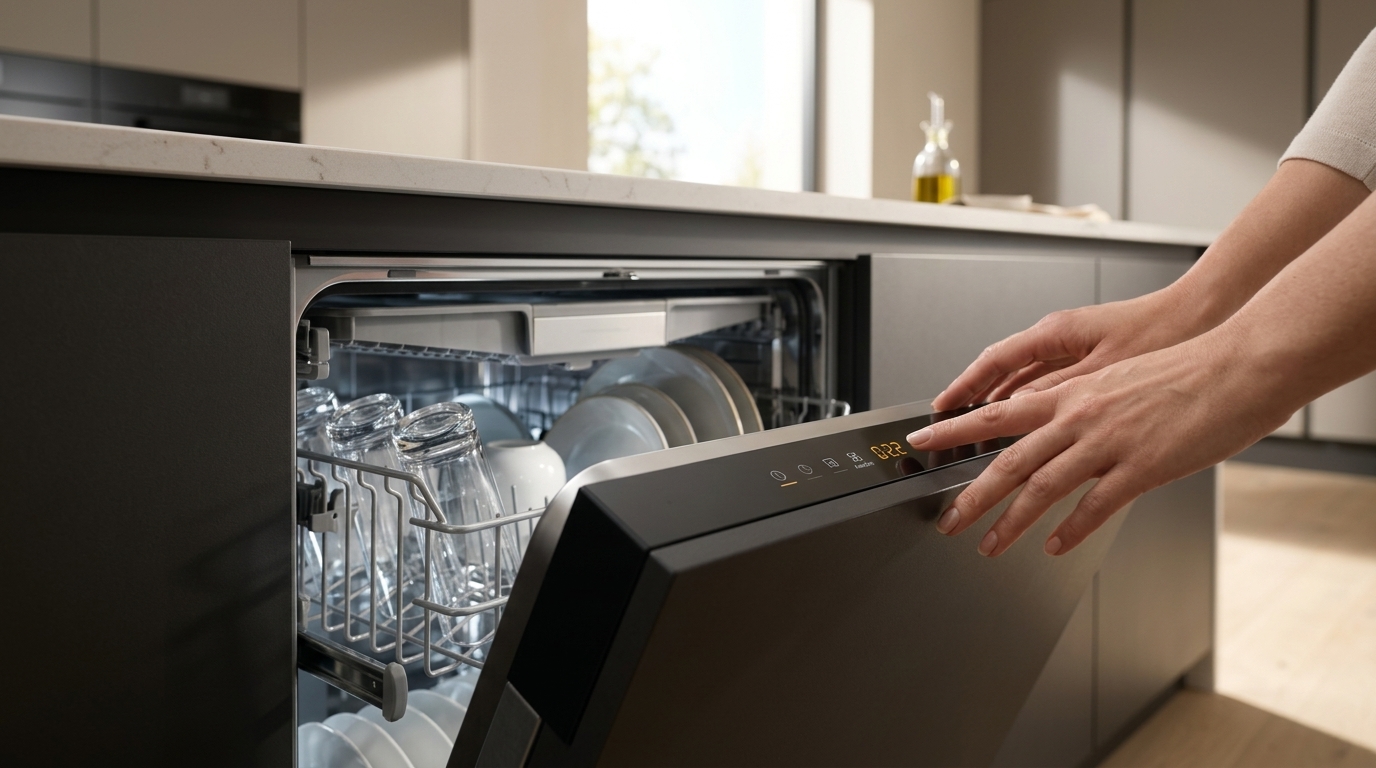
In the world of household appliances, few names carry the weight and prestige of Miele. Founded in 1899 by Carl Miele and Reinhard Zinkann, the company began with a simple promise: "Immer Besser" (Forever Better). Today, 127 years later, this philosophy is not merely a marketing slogan but the strategic roadmap for the company's transition into the digital age. With a turnover reaching €5.16 billion, Miele is proving that premium quality can go hand-in-hand with the technological disruption brought about by Artificial Intelligence (AI).
The Digital Transformation of Domestic Life
Miele’s integration of AI into its appliances is not about a display of technological prowess, but about solving real-life everyday problems. The Miele@home platform has become the heart of an ecosystem that learns from the user. For instance, the Smart Food ID technology utilizes high-resolution cameras inside ovens which, powered by machine learning algorithms, can recognize more than 30 different types of food. Once the system identifies the dish, it automatically suggests the optimal cooking settings, ensuring a perfect result even for the most novice cook.
In the realm of laundry care, AI takes on the role of a sustainability consultant. The AI Dry system adjusts drying times based on the actual moisture level of the fabrics, preventing fiber damage and reducing energy consumption. This "smart economy" approach is critical in an era where energy costs and environmental consciousness dictate consumer purchasing decisions.
Sustainability: The New Luxury
For Miele, sustainability is not a new trend but part of its DNA. The company’s commitment to appliances tested to last for up to 20 years of use is the ultimate answer to the culture of disposable products. In the AI era, sustainability is bolstered through predictive maintenance. Smart appliances can now identify potential malfunctions before they lead to a breakdown, notifying the user or the technical department via the app.
- Investing in the circular economy with over 90% recyclable materials.
- Reducing the carbon footprint in production units through the use of renewable energy.
- Developing software that allows older appliances to be upgraded with new AI features.
The company’s strategy focuses on the "luxury of longevity." In a market flooded with cheap, non-repairable appliances, Miele invests in repairability and the provision of spare parts for decades, linking the premium experience with ethical consumption.
The Challenge of Global Competition
Despite its strong position, Miele faces intense competition from Asian technological giants who are integrating AI features at a rapid pace. However, the German company's advantage lies in trust. Data privacy is a central pillar of its digital strategy. Unlike other manufacturers who may monetize usage data, Miele guarantees that information collected from a consumer’s kitchen or bathroom remains strictly private and is used solely to enhance the user experience.
"Innovation only has value when it serves humanity and the environment. At Miele, artificial intelligence is the tool that allows us to make 'Immer Besser' a reality for the 21st century."
In conclusion, Miele is not simply transforming into a software company. It remains a top-tier hardware manufacturer using software to provide added value. Its ability to balance heavy industrial heritage with digital pioneering will determine its course for the next 100 years, keeping it at the top of the preference list for those seeking "something more" in their domestic life.





