

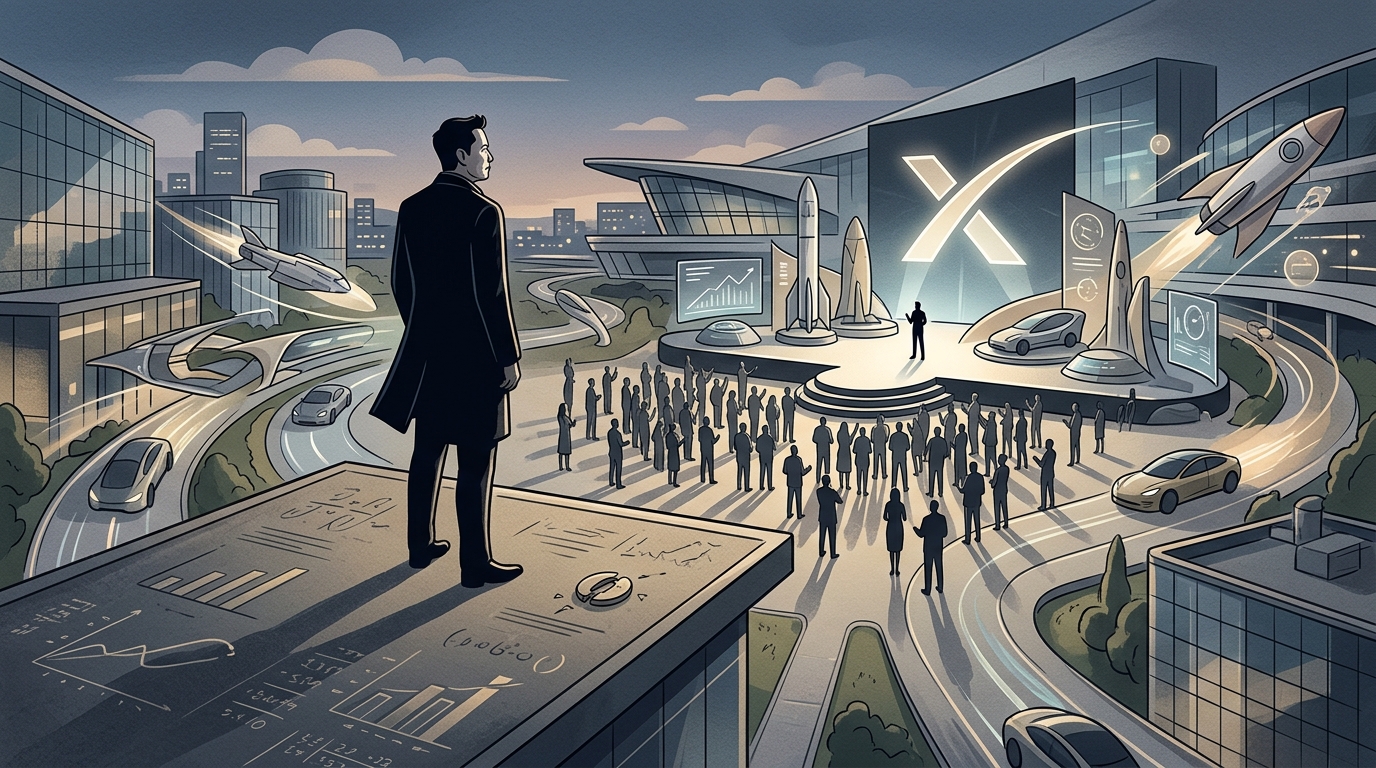
In the high-stakes world of technology and global markets, Elon Musk’s name is synonymous with astronomical figures and controversial business maneuvers. However, 2025 brought a paradoxical headline: the world’s wealthiest individual received zero actual income from Tesla. While his compensation package—re-approved by shareholders following a tumultuous legal battle in Delaware—is valued at a staggering $158.4 billion, his bank balance regarding the EV giant remained static over the past year.
This news is not an indication of financial distress for Musk, but rather a reflection of the unique and high-risk structure of his compensation. Musk receives no salary and no annual cash bonuses. His wealth from Tesla is derived exclusively from stock options that only trigger when specific, hyper-ambitious market capitalization and operational milestones are met.
The 'All or Nothing' Strategy
The compensation plan, originally designed in 2018 and reaffirmed in 2024-2025, is built on a strict 'pay-for-performance' philosophy. For Musk to unlock the next tranches of his stock, Tesla had to surpass benchmarks that many analysts once deemed impossible. In 2025, the company faced a perfect storm: saturation in the electric vehicle (EV) market, intensifying competition from Chinese manufacturers like BYD, and shrinking profit margins due to aggressive price cuts.
According to financial reports, while Tesla remained profitable, it failed to achieve the explosive growth rates required to trigger new option grants. This means that, on paper, Musk 'earned' nothing new from the company in 2025. This strategy positions him as the ultimate risk-taker, with his personal fortune directly tethered to the success of his fellow shareholders.
The Pivot from Automotive to Artificial Intelligence
A primary driver behind Musk’s income stagnation in 2025 was Tesla's deliberate shift in focus. Musk has repeatedly asserted that Tesla is not merely a car company but an AI and robotics powerhouse. 2025 was defined by massive capital expenditures into the Full Self-Driving (FSD) program and the Optimus humanoid robot.
- Research and Development (R&D) spending spiked significantly, weighing down short-term net income.
- Delays in the widespread rollout of the dedicated Robotaxi limited immediate new revenue streams.
- The market remained cautious, waiting for tangible AI results before granting the market cap boost Musk needed.
This transitional phase created a gap in his earnings. For Musk, 2025 was a year of 'sowing' rather than 'reaping.' His conviction remains that once autonomous driving technology reaches Level 5, Tesla’s value will skyrocket into the trillions, rendering current 'zero' earnings a minor footnote in history.
Legal Shadows and Investor Confidence
The legal drama preceding 2025 cannot be ignored. The 2024 voiding of his original package by a Delaware judge forced Tesla’s board to seek shareholder re-approval. Although shareholders overwhelmingly voted in favor, the process fostered an environment of scrutiny. Many institutional investors raised concerns regarding corporate governance and Musk’s divided attention across his other ventures (X, SpaceX, xAI).
"Elon Musk operates on a timeline of decades, while Wall Street operates on quarters. This misalignment is what leads to headlines about zero compensation," noted a senior analyst from Morgan Stanley.
In conclusion, the fact that Musk received no money in 2025 is a stark reminder that Tesla is at a critical juncture. His success is no longer measured by how many Model 3s are delivered, but by whether he can deliver on the promise of an autonomously functioning society. Until then, the world’s richest man will continue to work 'for free,' betting everything on the future of artificial intelligence.





