

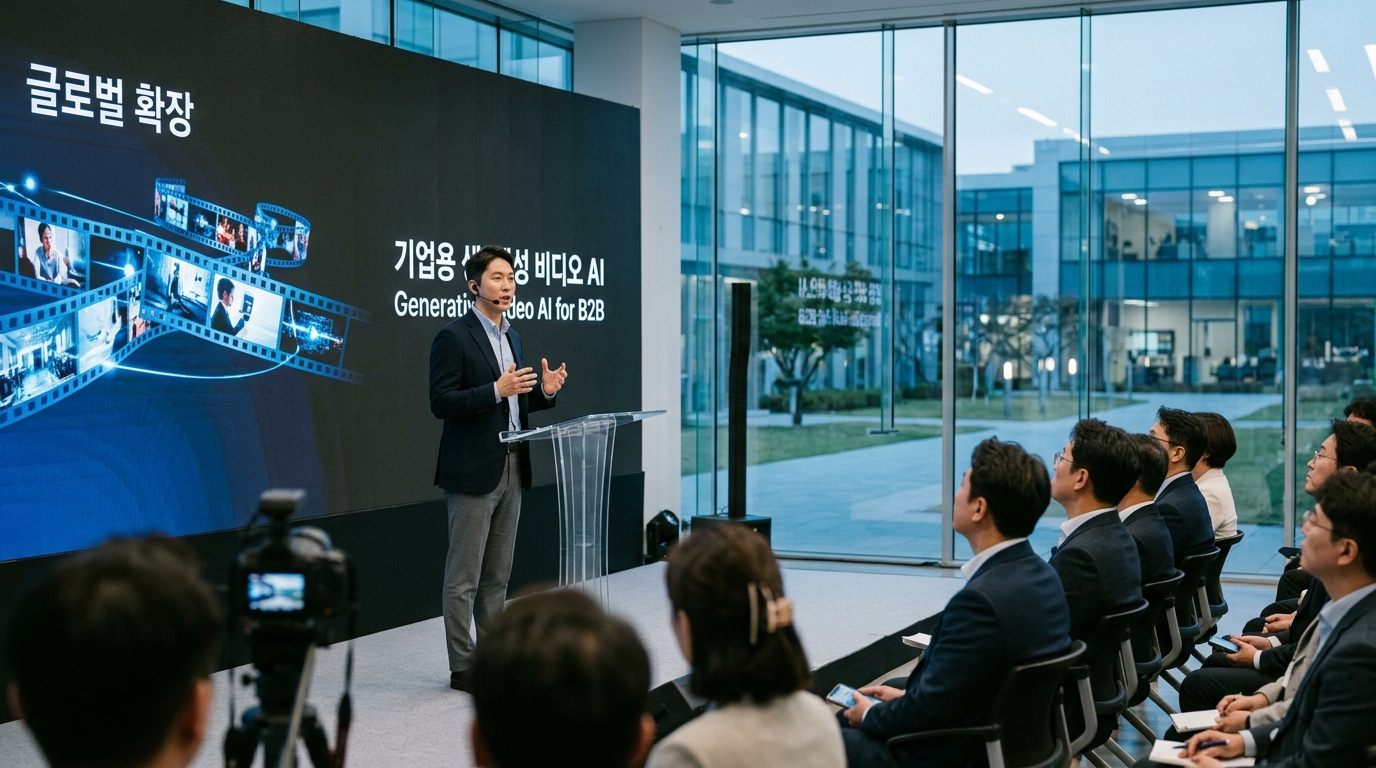
In a move that underscores its ambition to transition from a social media giant into a dominant AI infrastructure player, ByteDance is aggressively expanding its footprint in South Korea. According to reports from the Seoul Economic Daily, the Chinese tech titan is launching its advanced generative video models through Volcengine, its cloud services division, directly targeting the nation’s B2B (Business-to-Business) sector.
The Strategic Pivot to B2B
This expansion is more than a mere geographical move; it represents a fundamental strategic pivot. While TikTok remains ByteDance’s most globally recognized product, the company is now funneling billions into developing the Doubao ecosystem (marketed internationally under Volcengine). South Korea, with its hyper-developed digital infrastructure, world-class entertainment conglomerates, and robust gaming industry, serves as the ideal crucible for testing the next generation of AI-driven video production tools.
The new models introduced to the Korean market allow enterprises to generate high-fidelity video from simple text prompts (text-to-video) or edit existing footage with surgical precision. This technology, frequently compared to OpenAI’s Sora or Google’s Veo, promises to drastically reduce content production costs for advertising agencies, film studios, and digital creators.
Competition in a Multipolar Environment
ByteDance’s entry into Korea puts it on a collision course with local titans such as Naver and Kakao, both of which are developing proprietary Large Language Models (LLMs) and AI tools tailored to the Korean language and cultural nuances. However, ByteDance holds a distinct advantage: the colossal datasets derived from TikTok and Douyin, which have enabled the training of models with an unparalleled understanding of human movement and visual aesthetics.
- Cost and Scalability: Through Volcengine, ByteDance offers aggressive pricing structures that challenge established cloud providers like AWS and Microsoft Azure.
- Creative Specialization: The models focus on "cinematic quality," specifically targeting the K-Pop and K-Drama industries that demand high visual standards.
- Local Partnerships: The company is reportedly in talks with Korean tech firms to integrate its APIs into existing content creation platforms.
Challenges and Geopolitical Context
Despite its technological prowess, the path forward for ByteDance is fraught with hurdles. South Korea is a key U.S. ally, and concerns regarding data security and Chinese corporate influence remain a central theme in policy discussions. ByteDance is attempting to mitigate these concerns by emphasizing that its B2B services operate under stringent data protection protocols, distinct from its consumer-facing applications.
“The South Korean market is a leader in digital innovation. Providing our tools to enterprises there is not just about sales; it’s about co-creating the future of visual communication,” a Volcengine representative noted in unofficial remarks.
In conclusion, ByteDance’s expansion into South Korea is a clear signal to Silicon Valley: the war for Generative AI supremacy will not be decided solely on American soil, but in the dynamic markets of Asia, where speed of adoption and enterprise agility are paramount.





