

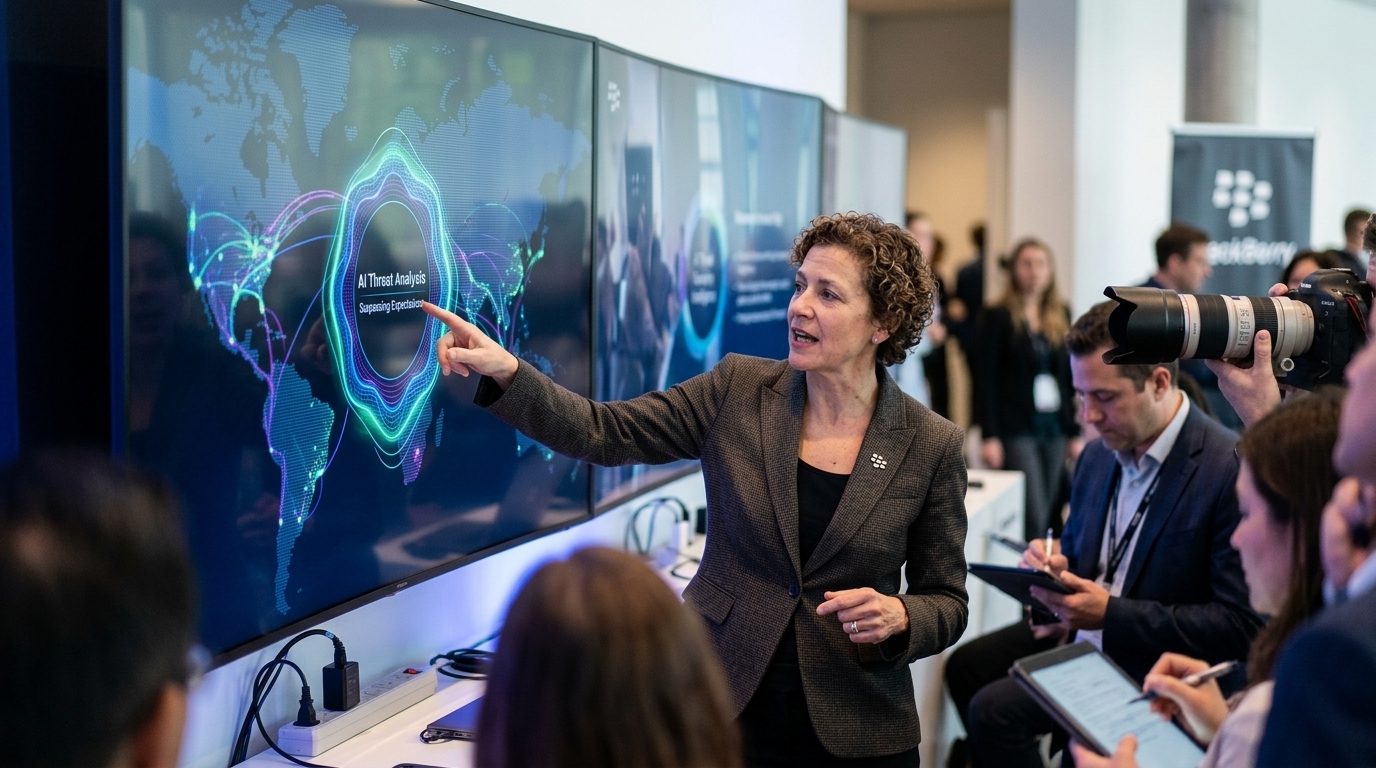
The story of BlackBerry is one of the most compelling cases of corporate metamorphosis in the 21st century. From absolute dominance in the smartphone market to near-obsolescence, and now a dynamic comeback as a leader in security software and the Internet of Things (IoT). The first-quarter results for fiscal year 2027, recently announced, left no room for doubt: BlackBerry is no longer a company of the past, but a player defining the future of digital defense.
The financial results showed a significant beat of Wall Street expectations. Revenue surged, driven primarily by demand for AI-powered cybersecurity solutions and the growing adoption of the QNX operating system in the automotive industry. The management's strategic decision to separate the IoT and Cybersecurity businesses into autonomous units appears to be paying off, allowing for greater agility and a focused approach to innovation.
Artificial Intelligence as a Cybersecurity Catalyst
The key to BlackBerry's success this quarter was the Cylance platform. Unlike traditional protection methods that rely on signatures of known viruses, Cylance uses predictive AI models to identify and neutralize threats before they manifest. This "proactive" approach has made the company an indispensable partner for government agencies and large enterprises facing sophisticated ransomware attacks daily.
Management emphasized that AI investments are not just about virus detection but also about automated response. In a world where cyberattacks are now carried out at millisecond speeds by malicious AI bots, the need for defensive AI that can react in real-time is imperative. BlackBerry has successfully convinced the market that its technology is "lightweight" yet extremely powerful, reducing computational costs for its clients while simultaneously enhancing security layers.
The King of the Road: QNX Software
While cybersecurity is one pillar, IoT—and specifically QNX software—is BlackBerry's "secret weapon." Today, more than 235 million vehicles worldwide use QNX for advanced driver-assistance systems (ADAS), digital instrument clusters, and infotainment systems. The transition toward Software-Defined Vehicles (SDV) has created a massive opportunity for the company.
In the first quarter, IoT revenue saw steady growth as automakers seek reliable and secure operating systems capable of managing the vast volume of data produced by modern electric and autonomous vehicles. The collaboration with giants like Amazon Web Services (AWS) for the BlackBerry IVY platform allows manufacturers to develop new in-car services, creating new revenue streams and strengthening the BlackBerry ecosystem.
Strategic Restructuring and Future Outlook
The positive trajectory of financial metrics led management to revise full-year guidance upward. "Project Imperium," the initiative aimed at separating the business units, is progressing faster than expected. This step is considered crucial for unlocking shareholder value, as it allows each division to pursue its own strategic alliances and investments independently.
However, competition remains fierce. In the cybersecurity space, firms like CrowdStrike and Palo Alto Networks possess enormous resources. BlackBerry is betting on specialization and safety-critical software certification—a field where its expertise is rare and highly valued. The challenge for the remainder of 2026 and into 2027 will be maintaining this growth momentum while proving that profitability can be sustainable in the long run. The market seems to trust them again, and this revenue surge is likely just the beginning of a new era.





