

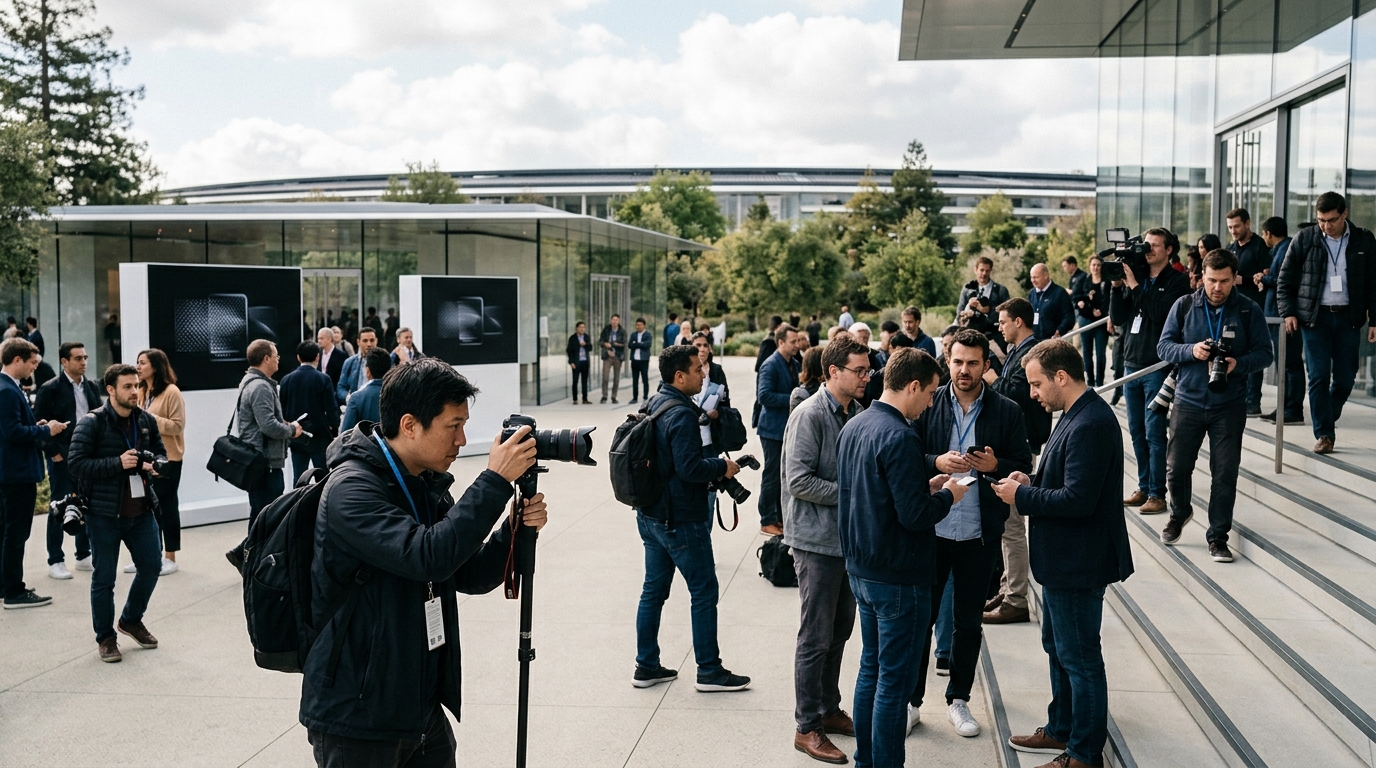
Apple’s history has always been intertwined with the concept of "premium." However, the latest leaks from Cupertino, as reported by Bloomberg Tech, signal a new, more expensive reality for the company’s loyalists. As we move through the summer of 2026, Apple appears to be abandoning its efforts to keep prices stable, introducing sweeping hikes that affect its entire product range—from the new M6 and M7 processors to the long-awaited touch-screen MacBook Pro.
The 'AI Tax' on Silicon
The primary driver behind this wave of price increases is the production cost of the new chips. The M6 and M7 processors are not merely incremental speed upgrades; they are architecturally redesigned to support 'Apple Intelligence+' locally, without the constant need for a cloud connection. This requires massive amounts of high-bandwidth RAM and specialized Neural Processing Units (NPUs) that occupy valuable real estate on the silicon die.
According to supply chain analysts, the manufacturing cost of M7 chips has surged by 40% compared to the previous generation. Instead of absorbing these costs by squeezing its profit margins, Apple has chosen to pass them on to the end-user. For the first time, the base model MacBook Pro is expected to cross the psychological threshold of $2,500, making Apple’s professional lineup inaccessible to a large portion of the creative community.
The Touch-Screen MacBook Pro: A Costly Historical U-Turn
For years, Steve Jobs and his successors dismissed the idea of a touch-screen MacBook, labeling it "ergonomically disastrous." In 2026, Apple seems to be yielding to market pressure, integrating sophisticated touch technology that works in tandem with macOS 16. However, this innovation does not come cheap. Integrating touch sensors into Tandem OLED displays, combined with the need for enhanced durability, adds a significant premium to the retail price.
This move is interpreted as an attempt by Apple to unify its ecosystem, allowing AI applications developed for the iPad to run seamlessly on the Mac. But with prices skyrocketing, the question remains: is the touch screen a genuine necessity or a strategic lever to justify an increase in Average Selling Price (ASP)?
- High-end MacBook prices are projected to rise by 15-20%.
- The introduction of M7 chips sets a new standard for local AI processing.
- Smart glasses (Apple Glass) are positioned as a luxury accessory with a starting price above $1,200.
- Apple Intelligence+ is gradually shifting toward a subscription model for advanced features.
Smart Glasses and the New Wearable Reality
Beyond computers, Apple is preparing a major push into the smart glasses market. Unlike the Vision Pro, which remained a niche product, these new glasses aim for daily wear. However, reports suggest the pricing strategy will be extremely aggressive. The use of advanced lenses and the necessity of shrinking AI chips have driven costs to levels reminiscent of the early iPhone era.
Apple’s strategy is clear: artificial intelligence is not a free privilege but a premium service requiring premium hardware. In a world where Nvidia dominates infrastructure, Apple is attempting to dominate the "edge," but the price for our data autonomy and AI speed appears to be one we will have to pay dearly for.
Conclusion: The Stratification of the Digital Experience
As prices rise, the risk of a digital divide grows. If access to the most sophisticated AI tools requires devices worth several thousand dollars, then the "democratization" of technology preached by Silicon Valley firms looks more like marketing than reality. Apple is betting that the value of its ecosystem is so great that users will accept the hikes. Time will tell if consumer loyalty has its limits.





