

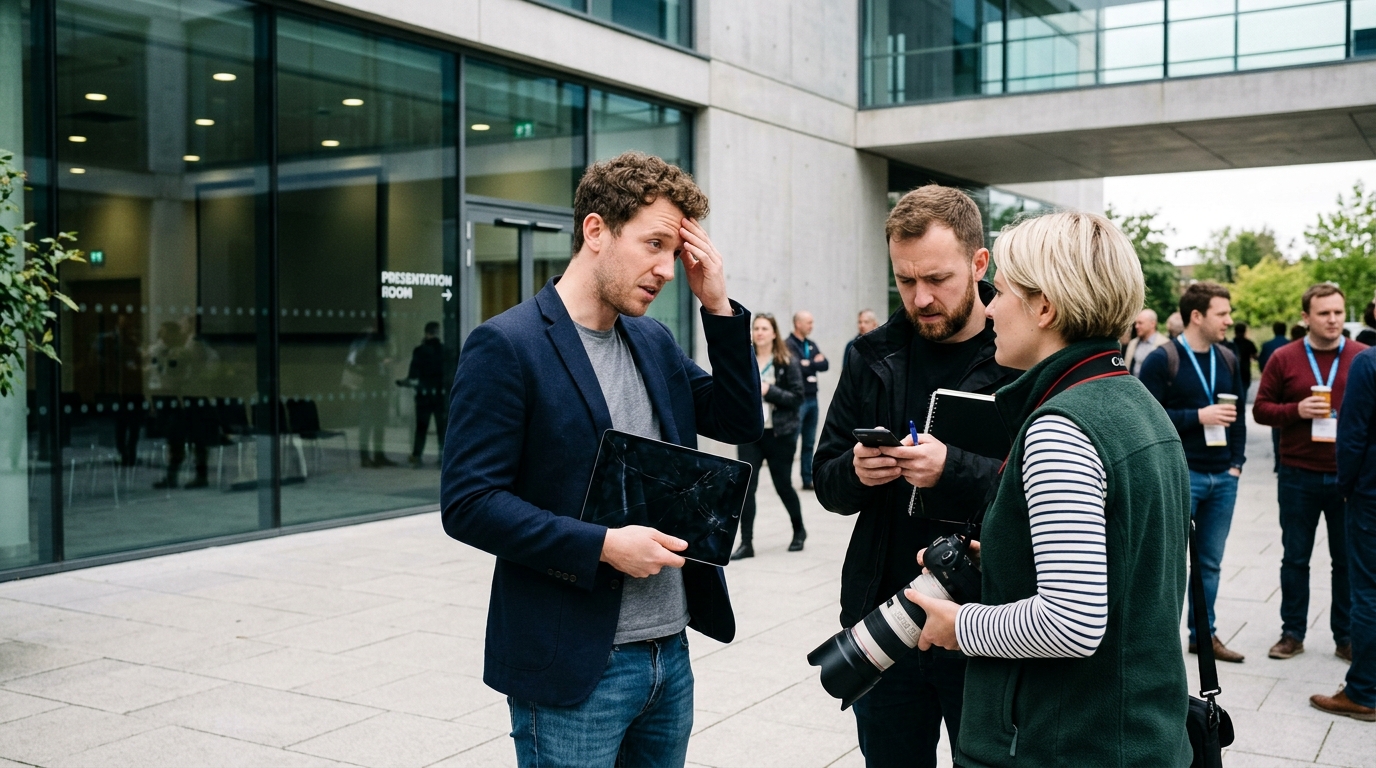
The glitz and glamour of the Cannes Film Festival, traditionally the epicenter of global cinematic innovation, took an unexpected hit this year. 'Critterz', the first feature-length animated film created entirely using artificial intelligence, was forced to withdraw its participation. The cause was not an artistic disagreement or a lack of funding, but a decision made thousands of miles away at OpenAI's headquarters in San Francisco. The company decided to shut down Sora, its notorious video generation tool, leaving the creators of 'Critterz' in a technological void.
The Chronicle of a Foretold Instability
The production of 'Critterz' had been touted as the moment AI would prove its worth in 'serious' cinema. The film's directors and producers had based their entire aesthetic and workflow on Sora's capabilities. However, OpenAI, citing the need to re-evaluate safety protocols and high operational costs, 'pulled the plug' on the beta version of the tool before it could fully mature. This event highlights one of the greatest risks of modern digital creation: 'platform risk'.
When an artist relies on closed, proprietary software controlled by a corporation with priorities different from those of art, their creation is always a hostage to business decisions. The creators of 'Critterz' are now in a desperate search for a new partner, considering alternatives like Runway Gen-3 or Luma Dream Machine, but the transition is not simple. Each AI model has its own 'visual language', its own idiosyncrasies in movement and lighting, making the transfer of an unfinished work a process that is almost impossible without radical changes.
Hollywood's Reaction and the Crisis of Trust
The news of the cancellation hit like a bombshell among producers who saw AI as the solution to reducing production costs. If a film can 'disappear' because a software company changed its strategy, then investing in such technologies seems extremely risky. Traditional animation houses, such as Pixar and DreamWorks, are watching developments with a mixture of relief and skepticism. For them, human labor and established tools (like Maya or Unreal Engine) offer a stability that AI cannot yet guarantee.
- OpenAI has not provided a clear timeline for Sora's return.
- Losses for 'Critterz' investors are estimated at several million dollars.
- The AI video generator market is expected to be redistributed among smaller, more agile players.
The case of 'Critterz' is a harsh lesson for the entertainment industry. Technology can offer speed and impressive results, but the lack of independence for creators can be fatal. In Cannes, the empty seats at the film's screening remind everyone that art needs solid foundations, not just impressive algorithms.
The Future of AI Cinema After the Shock
Despite the setback, the trend toward integrating AI into cinema is not going to stop. What will change is the approach. Analysts predict a shift toward open-source models or the development of in-house tools by the major studios themselves, so they do not depend on the whims of OpenAI or Google. The 'democratization' of video production through AI remains a powerful promise, but its implementation requires an infrastructure that respects the creator's time and effort.
"We didn't just lose a premiere. We lost our trust in the idea that technology is there to serve us," said one of the film's producers on the sidelines of the festival.
In conclusion, the 'Critterz' drama is a reminder that we are still in the 'Wild West' of artificial intelligence. The rules are being written now, and the price for pioneers is often heavy. Whether the film will eventually manage to find its way to theaters with the help of another model remains to be seen, but the stigma of OpenAI's failure to support its partners will linger for a long time.





