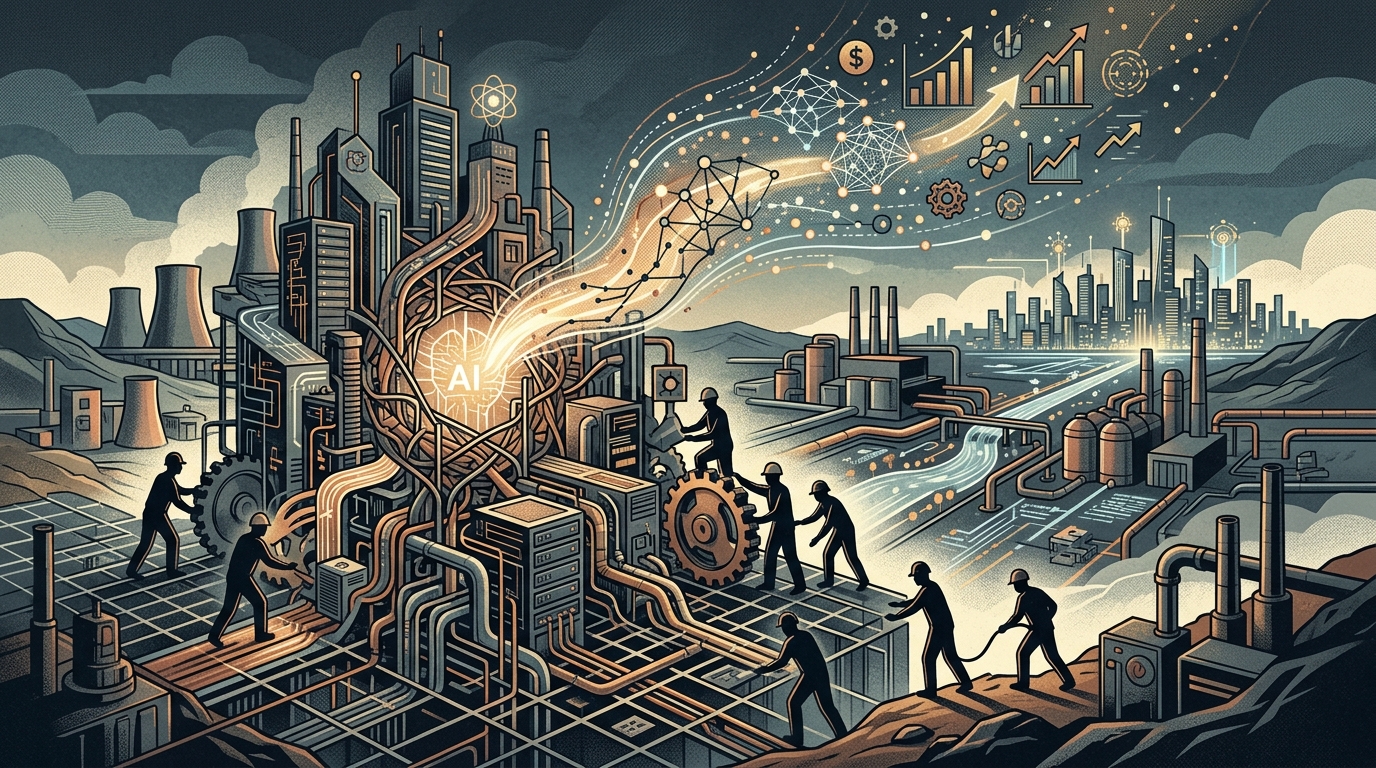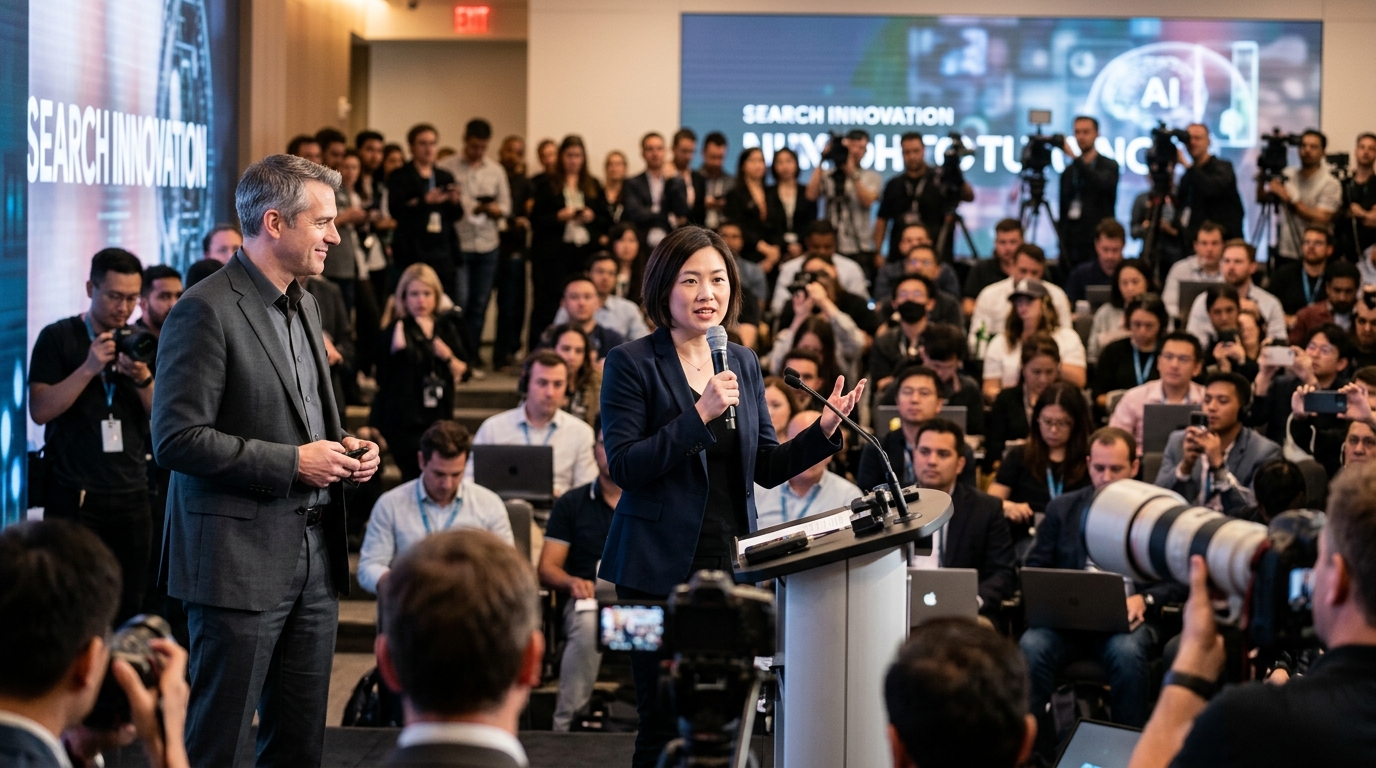
The digital marketplace is at a turning point reminiscent of the early days of Google's emergence. However, this time, the shift isn't about indexing speed but the fundamental nature of how humans discover information. The transition from traditional Search Engine Marketing (SEM) and Search Engine Optimization (SEO) to the 'Search Growth Partner' (SGP) model is not merely a change in terminology; it is a survival necessity in an environment where Artificial Intelligence (AI) is reshaping everything.
The End of the Keyword as We Knew It
For two decades, business strategy relied on targeting specific keywords. If a company sold 'organic coffee,' the goal was simple: appear on the first page when someone typed those two words. Today, the advent of AI Overviews (formerly SGE) by Google and the rise of platforms like Perplexity and OpenAI's SearchGPT are changing the rules. Users no longer type simple phrases; they ask complex questions and expect comprehensive answers.
In this new landscape, the concept of 'visibility' is shifting. It is not enough to be 'number one' if AI summarizes your content and presents it directly to the user, without them ever needing to click on your website. This 'zero-click search' phenomenon requires businesses to become the source of truth for AI models, rather than just chasing traffic.
The Role of a Search Growth Partner
A Search Growth Partner (SGP) differs from a traditional SEO agency in three key areas: technical foundation, data strategy, and focus on user experience. While an SEO specialist might focus on backlinks, an SGP examines how a business's data feeds Large Language Models (LLMs).
- Semantic Search: The focus shifts from words to meaning. A growth partner helps the business structure its content so that AI algorithms understand the context and authority of the brand.
- Brand Authority: In the age of AI, brand reputation is the new SEO. If the AI doesn't 'know' your company from reliable references across the web, it won't suggest it in its answers.
- Data Synergy: Using first-party data to create content that cannot be replicated by a generic AI is the key to maintaining a competitive advantage.
The Challenge of the AI Transformation
For businesses, the challenge is twofold. On one hand, the volume of AI-generated content is flooding the web, making it harder for high-quality, human-centric information to stand out. On the other hand, the competition for consumer attention is now global and instantaneous. A medium-sized enterprise is no longer just competing with its local rival, but with every digital platform capable of answering its customer's needs.
"AI will not replace search marketing, but marketers who use AI will replace those who do not," market analysts suggest.
The need for a partner who understands the intersection of technology and consumer psychology is more pressing than ever. Businesses must invest in structured data techniques (Schema Markup) and content that solves real problems, rather than mass-producing low-quality text intended only for bots.
Strategic Implementation for the Future
The new partnership model requires transparency and continuous education. Businesses can no longer 'outsource' SEO and forget about it. There must be an organic relationship where the Search Growth Partner participates in product design and customer service, ensuring that every digital footprint of the company strengthens its presence in AI ecosystems. The era of 'click-chasing' is ending; the era of 'building trust with algorithms' has just begun.
Conclusion: Adapting to the Synthetic Web
As we move further into 2026, the distinction between 'search' and 'answer' will continue to blur. Companies that treat search as a growth engine—integrated with their overall business intelligence—will thrive. Those that stick to the old playbook of keyword stuffing and link manipulation will find themselves invisible in an AI-curated world. The Search Growth Partner is the bridge between a company's value proposition and the intelligent systems that now govern human discovery.