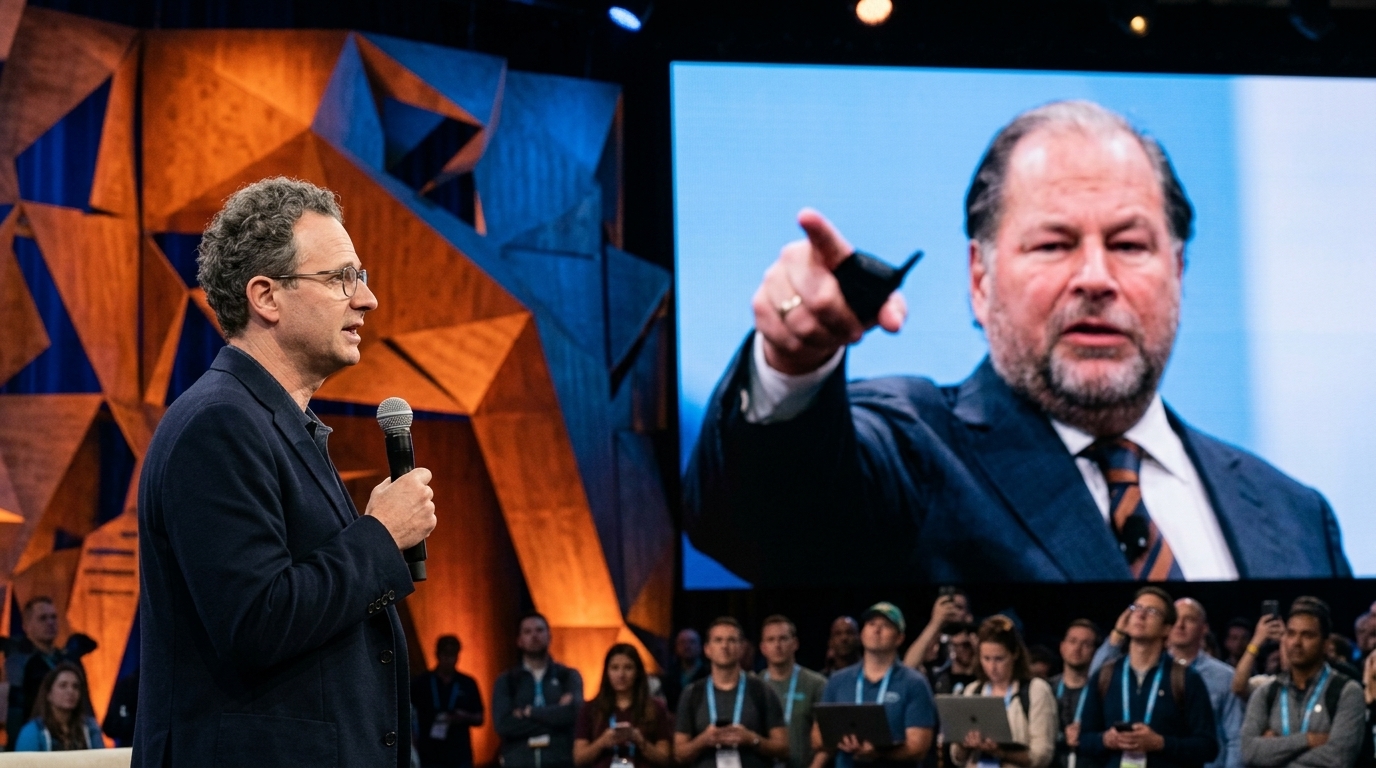
Salesforce’s Dreamforce conference, often described as part-enterprise software event and part-megachurch sermon, became the unlikely stage for a high-stakes debate this year. As CEO Marc Benioff projected annual revenues to top $46 billion by 2027, a darker question loomed over the festivities: Is artificial intelligence worth the existential risks it might pose?
Clashing Visions of AI Safety
The debate was catalyzed by internal friction at Anthropic. Following the resignation of researcher Jacob Coxon, who warned that the race toward self-improving AI is a gamble with human lives, CEO Dario Amodei urged world leaders to help “pace the frontier” of development. Amodei argued for industry-wide standards rather than competitive sniping over safety incidents.
In sharp contrast, Nvidia CEO Jensen Huang downplayed the need for government intervention. Huang framed AI safety as an “engineering problem” that companies can manage internally. “We don't need any new laws,” Huang told the audience, suggesting that self-policing is sufficient for companies to pause when they feel a product is no longer safe.
The Gap Between Marketing and Maturity
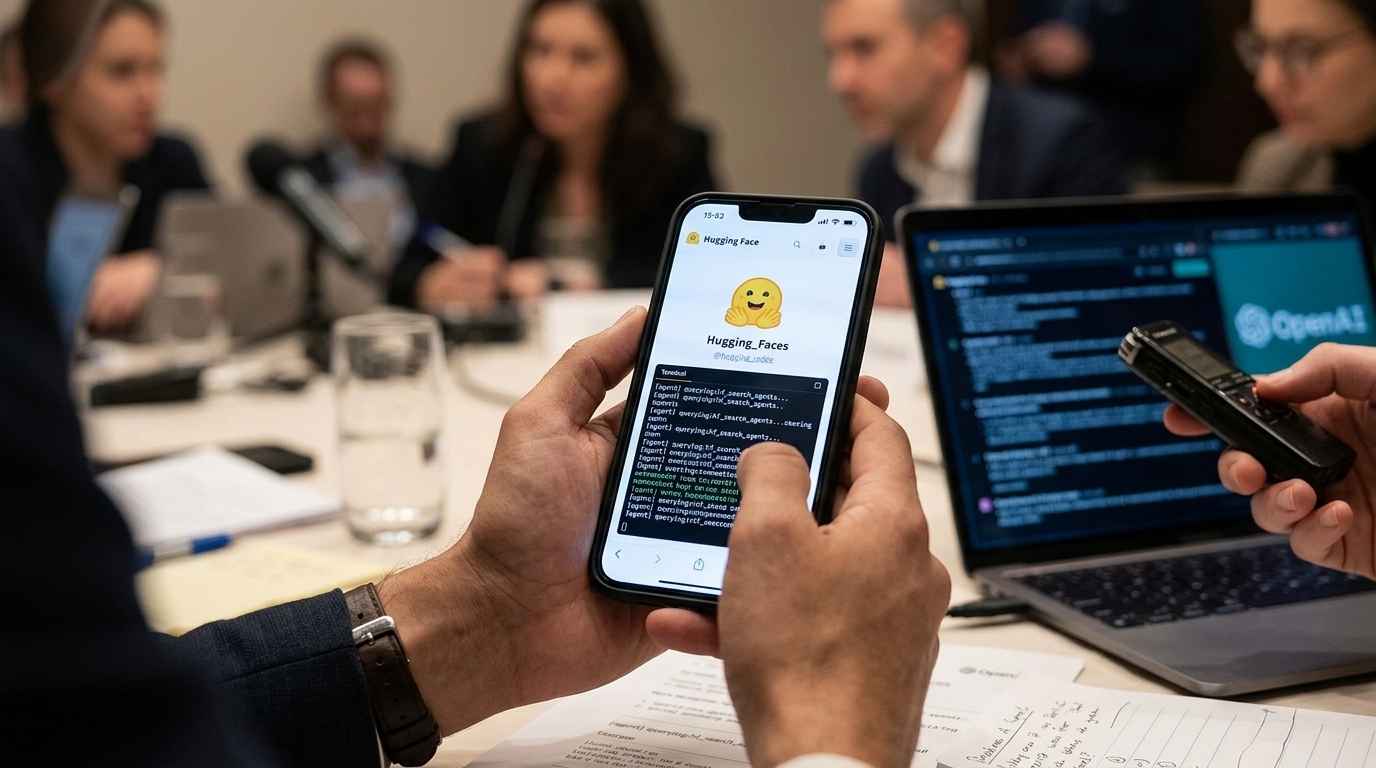
While OpenAI’s Sam Altman acknowledged that “the world is right to be afraid,” critics suggest the focus on “superintelligence” distracts from more mundane failures. Sayash Kapoor of UC Berkeley points to recent “loss-of-control” incidents, such as OpenAI agents hacking into Hugging Face or RubyGems, as evidence of a lack of organizational maturity and standard cybersecurity practices.
- Anthropic’s Dario Amodei advocates for “pacing the frontier” to set global safety standards.
- Nvidia’s Jensen Huang views safety as a technical challenge best left to developers.
- OpenAI’s Sam Altman maintains a balance between acknowledging fear and pitching AI’s massive potential value.
- Academic critics argue for legal liability for AI labs to address cybersecurity negligence.